Sensory Storytelling for Brand Video
Last updated: Feb 7, 2026
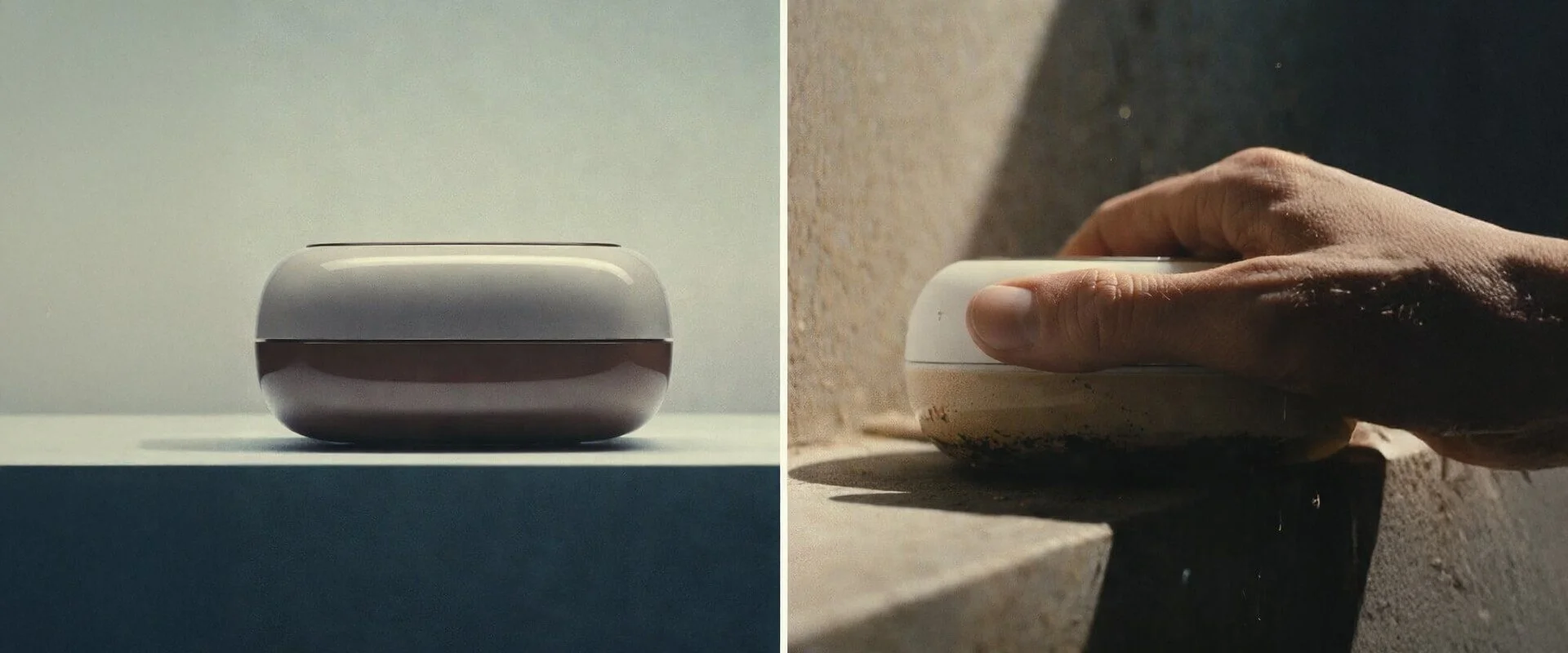
Two 15 second brand clips can sell the same thing and leave the viewer in completely different places.
If you are looking for brand video storytelling that makes an edit feel real and worth watching, this is the craft that usually makes the difference. It applies whether you are cutting a product spot, a founder film, or a testimonial.
Clip one looks polished. Clean grade. Clean mix. Clean pacing. Music doing most of the emotional lifting because nothing else is. The edit keeps moving because stillness feels risky. By the end the viewer understands the product, but they do not feel much. It lands like content, and the frustrating part is it often felt like the safe option while it was being made. Sound familiar?
That is Clip 1.
Clip two is quieter and somehow harder to ignore. You hear the room before you see the product. A hand hesitates, then commits. The shot holds long enough to feel chosen, not filled. You can almost feel the weight of the thing in their hand. You are not being sold. You are being invited.
That difference is not budget. It is craft.
This is a practical guide to sensory storytelling for brand video when you want the work to feel real, memorable, and worth finishing properly.
Use it when a cut is technically solid but emotionally flat, or when a piece feels close and nobody can name what is missing.
Explore this guide
Short on time? These five levers will get you oriented fast. Start with Meaning. The other four either support it, or fight it.
The moment it either lands or fades
Brand video gets judged before a viewer can explain what they think. The first judgement is not logical. It is physical.
Does this feel like a real choice made by a real team, or does it feel like a template wearing your logo?
If the surface feels thin, viewers do not debate it. They move on. A strong brief, a decent script, and a good camera can still miss because the viewer never settles into the work.
The fix is not more polish. It is more choice. The kind you can feel in the first few seconds.
The five levers that make it feel real
Start with meaning, then use the other four levers to support it. If one lever fights the others, the piece starts to feel thin.
Editors learned early that a shot gains power through what it sits next to, which is the basic idea behind the Kuleshov effect.
Tools change. Platforms change. People still react to what feels true, and these levers keep working because they match how viewers actually feel while watching.
AI tools can give you options fast. Intent still chooses what feels real.
How to use the five levers
Use this section like a quick check. Picture your cut. Be honest about what is doing the work and what is just there. The aim is one clear feeling the viewer can step into without effort.
Meaning
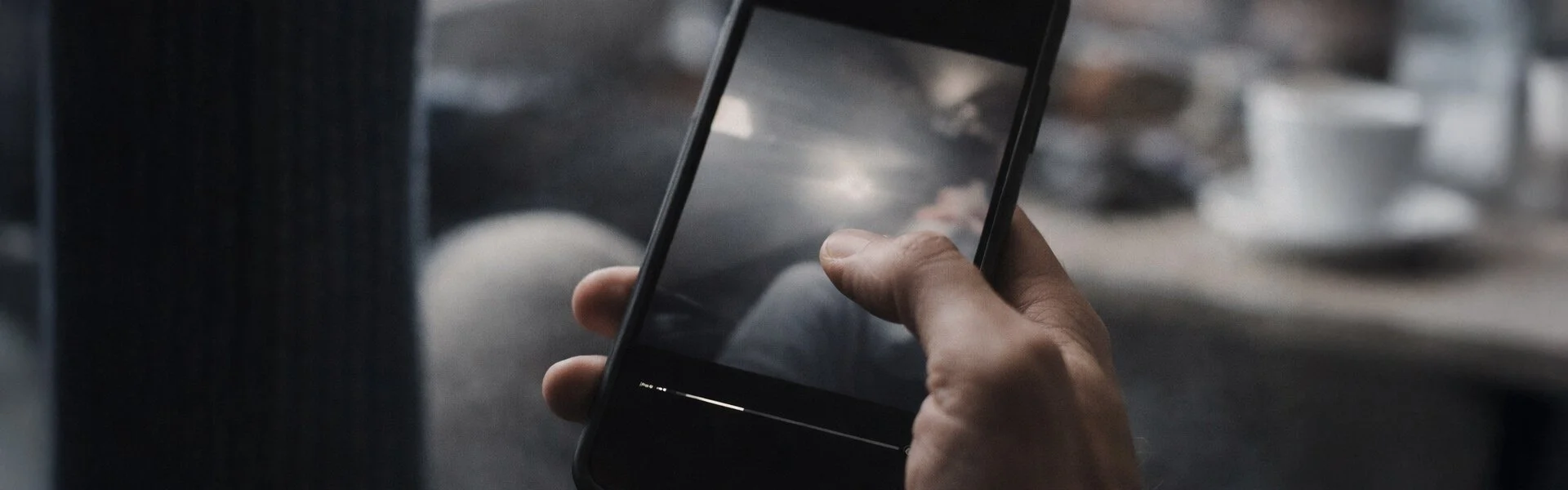
Meaning: Content vs choice.
The usual problem is message with no pull. Benefits listed. Claims neat. Viewer unmoved.
Why should a viewer care right now?
Meaning does not need a big story. It needs a promise you can feel.
A product video can be about relief, not features. That might be the first exhale after the first sip. It might be shoulders dropping when the lid clicks shut. It might be the moment a person stops fidgeting because the thing finally works.
When meaning is clear, the edit calms down. You stop proving. You start letting moments land.
Attention is physical before it is strategic, which is why why videos lodge in memory is easier to improve when you understand the brain.
If you want a clean way to sharpen stakes without adding drama, stakes that stay clear under pressure can help.
Sight
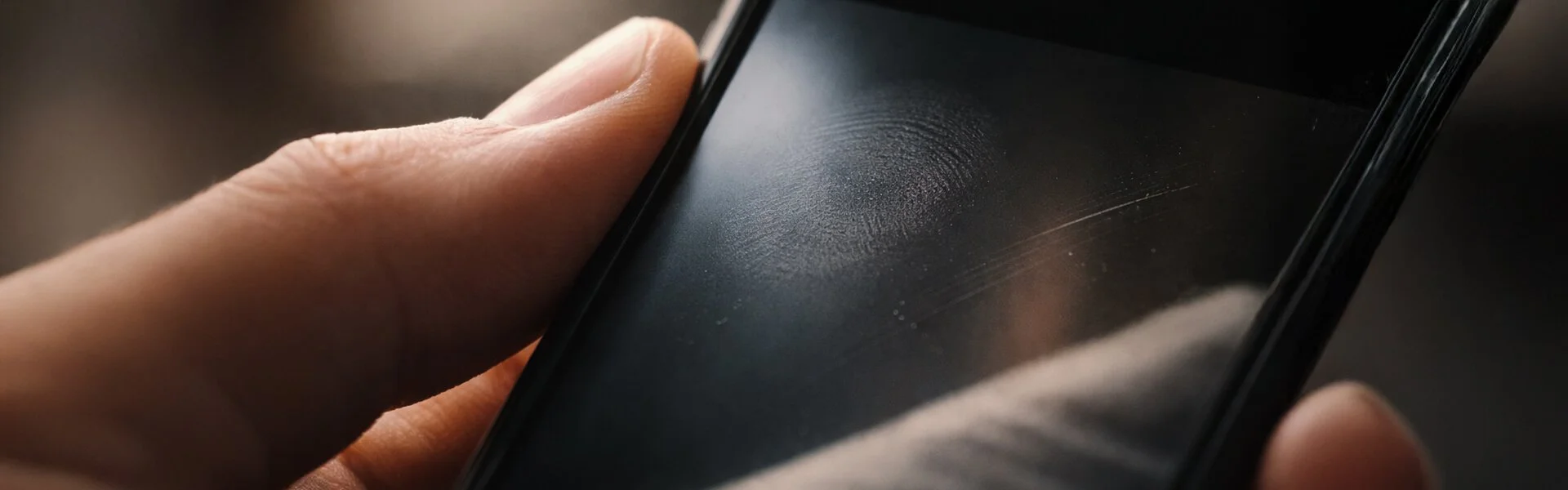
Sight: Texture beats perfect.
Polish is not the enemy. Generic polish is.
Brand video often gets sanded down until it could belong to anyone. Perfect skin. Perfect light. Perfect symmetry. Nothing to hold onto.
Specificity fixes it.
Name one tactile word you want the viewer to feel, then build the frame around it. Warm. Crisp. Soft. Heavy. Airy. Lived in.
A tiny detail can do more than perfect lighting. A scuffed edge on the product. A thumbprint on glass. A sleeve wrinkle that proves someone is really there. That often feels more believable than a sterile render.
If you want recognisable brand memory without getting gimmicky, cross sensory patterns that stick show how small repeats build identity.
Sound
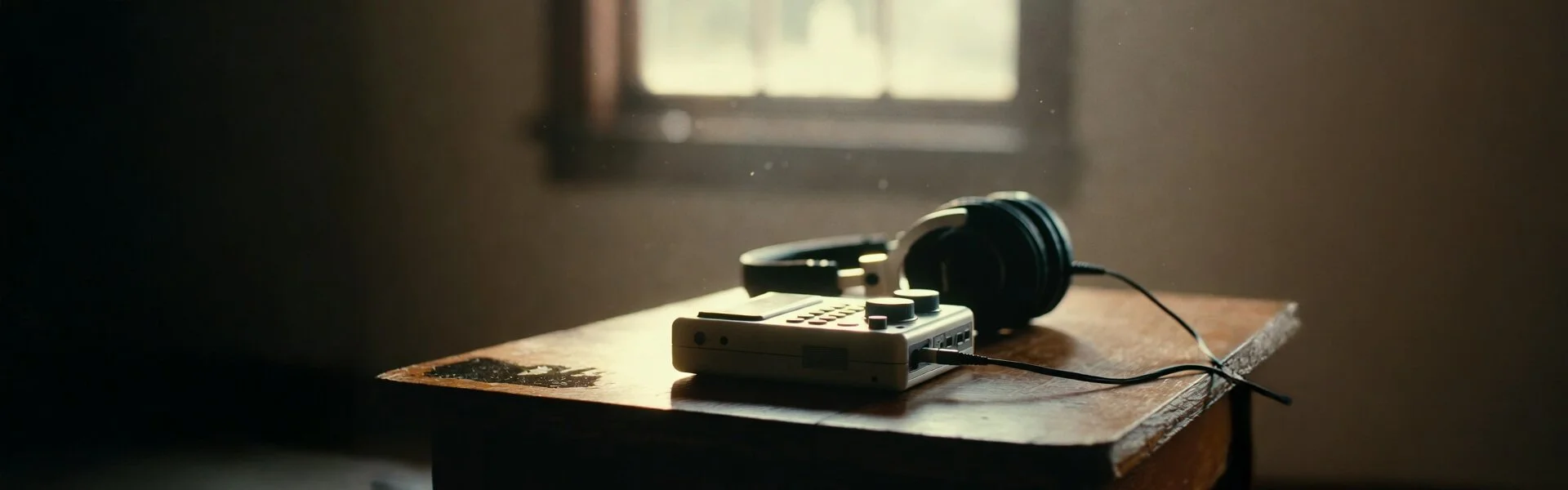
Sound: The room builds trust.
Sound is where belief often wins or collapses first, especially when people watch in messy conditions. Train noise. Phone speakers. Volume low. Half listening while scrolling.
A fast test is this. If the cut only works with music doing all the emotional work, rebuild the moment so the world carries some of it.
Treat sound like part of the scene. Room tone that matches the space. Voice that feels placed, not pasted. Silence used with intent. When those agree, the viewer stops checking and starts watching.
This study tested the same spoken evidence presented in high quality versus low quality audio. When the audio was worse, people judged the speaker as less credible and trustworthy, remembered fewer key facts, and gave the evidence less weight in their final judgement.
Bad audio does not just sound worse. Bad audio hurts trust, even when the words are the same.
If you want sound to feel like identity rather than decoration, a sonic signature people recognise is a good next step.
If you want closeness without it turning into a bit, ASMR cues that build closeness show how to use soft sound with restraint.
Rhythm
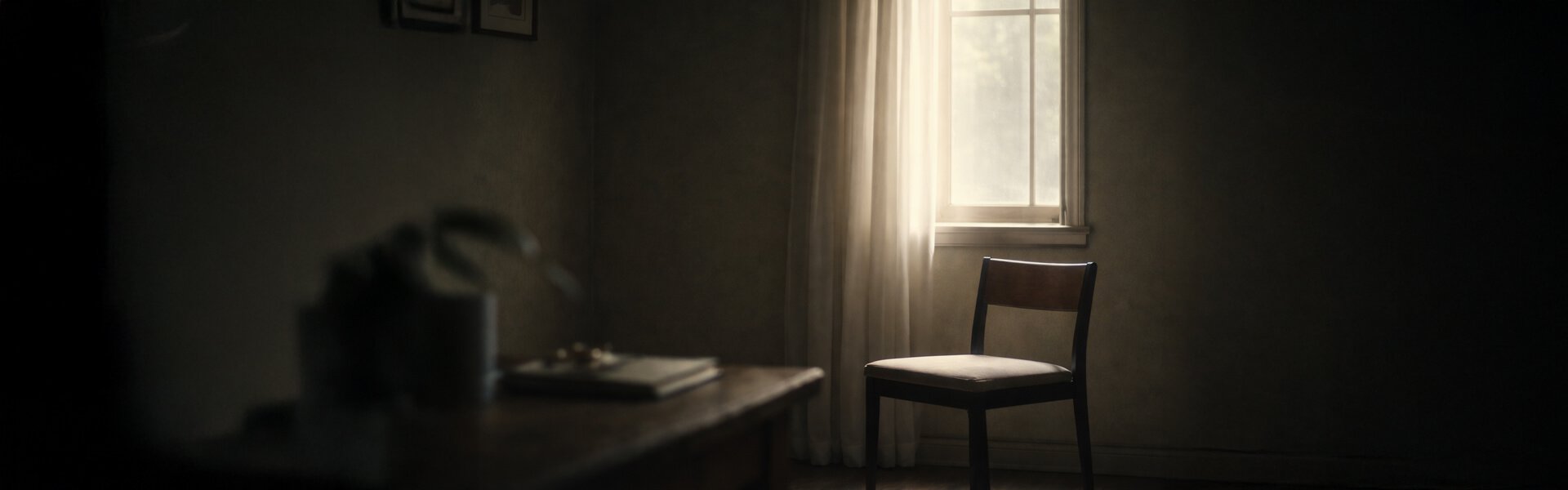
Rhythm: Let it breathe.
Editing is not only structure. It is how the viewer breathes with the work.
The usual problem in brand film edits is nervous pacing. The cut never lets a moment land because losing attention feels terrifying. Viewers feel that fear. They get pushed. They resist.
The irony is simple. Tools designed to remove risk often remove presence too. When everything is smoothed, nothing is felt.
A simple fix is to place one honest settling moment early. A held shot. A pause before a line. A reaction that completes. One beat of confidence can change the whole tone.
Silence is not dead air.
A held shot after the reveal. A pause before the line. No swell, just room tone and anticipation.
It’s an invitation. The viewer fills the gap and owns the feeling.
Use it sparingly. Place it with intent. Earn the rest.
A practical test is this. If you remove three cuts in a row and the piece feels better, your rhythm was running on panic.
If timing feels like the hidden problem, how cuts steer what people feel goes deeper on small shifts that change what viewers feel.
Big spectacle works when clarity and rhythm are disciplined, which is why James Cameron storytelling insights hold up even on small brand shoots.
Movement
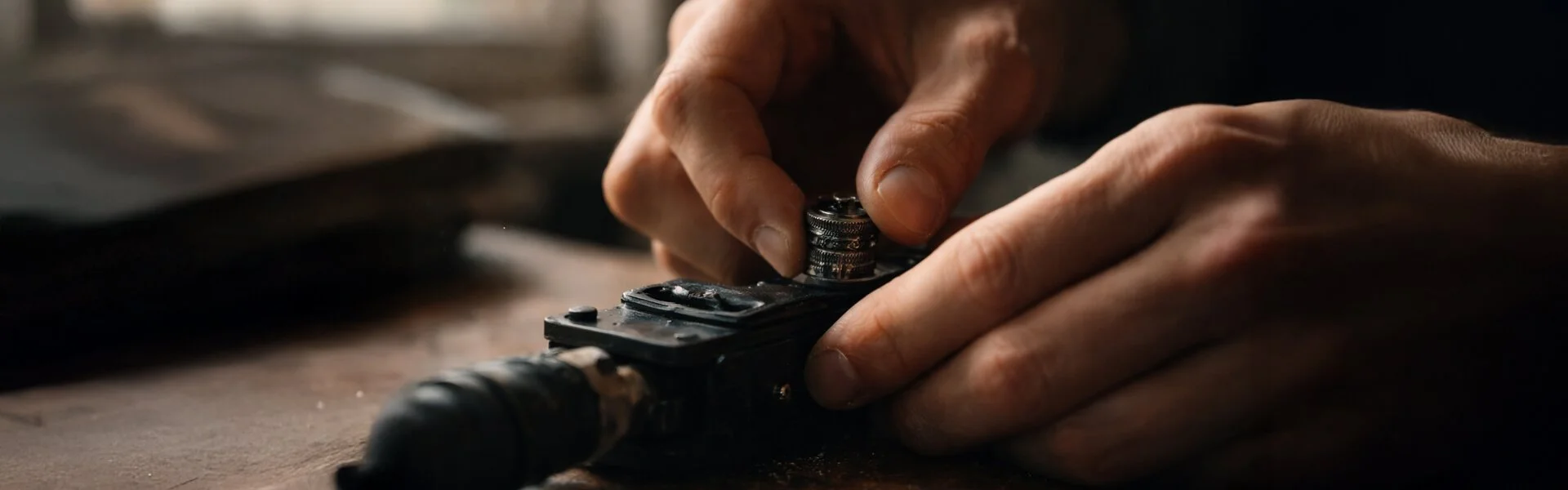
Movement: Show effort.
Movement is not only camera movement. It is the total sense of motion in the piece.
The usual problem is motion on autopilot. Push ins because that is what brand video does. Whip pans because energy equals engagement. Constant movement because stillness feels risky. The piece looks busy and feels light.
Movement works when it matches the point.
Notice how some shots pull you in with a gentle slow zoom. It is not shouting. It is guiding. That kind of choice can make a moment feel intentional, even if nothing big is happening on screen.
Movement also lives in bodies. Hands doing the work. The shift of weight before someone speaks. The micro friction of effort. Those cues are often the difference between Clip one and Clip two.
Mix up shot sizes when it suits the moment. Close ups for texture, mids for context, wides for breath. That shift in distance creates pace without needing more cuts, and it helps the piece feel shaped rather than rushed.
Think of it like music. You are stitching moments into a rhythm that carries feeling, not just information.
If you want that physical pull without forcing it, movement cues that viewers feel can help you make effort and process feel tangible.
Aerial shots are like any strong ingredient. Overdo them and they start to spoil the final cut. Use them when they add meaning, scale, or clarity, not just because you have them.
If you want a clean filter for when drones earn their place, drone footage with actual purpose keeps spectacle from flattening the story.
The ruthless pre publish gut check
Use this right before you publish, when the edit feels finished and you are too close to judge cleanly.
Start with one word. What should this feel like?
If you cannot name the feeling, the video often feels muddled, and muddled is where attention slips.
Then ask a harder question.
Who is this really for?
If you try to make it for everyone, it usually lands soft. If you pick a real viewer and commit, choices get clearer, and the cut gets calmer.
Now rest your eyes. Step away, even briefly. Rushed projects rarely feel finished, even when they are exported. Protect post time like it is part of the shoot, because it is where the work becomes watchable, not just correct.
Then do a few reality checks.
Watch once with sound.
Watch once with sound low or off.
If it is designed for widescreen, watch it on a big screen.
Then watch it on a phone.
Does it leave you in the same place, or does the effect vanish when the screen gets small?
Now answer these like a stranger.
What should the viewer feel in the first three seconds?
If the viewer only remembers one thing, what is it?
What single detail proves the space is real?
Where is the first breath moment, and does it arrive soon enough?
What is the one motif that makes this feel like your brand?
What moment earns trust through specificity or restraint?
What moment risks feeling generic because it is over smoothed or over cut?
Captions belong in this check too. WCAG captions guidance treats captions for pre-recorded audio as a baseline expectation.
Captions are not just compliance. They are part of the viewing feel. When they land in time with the rhythm, the whole piece flows better, even for viewers with the sound on.
If the cut gets busier every pass, that is usually fear in disguise, and escaping the same tired moves can pull you back to restraint fast.
Why this matters
This craft is not decoration. It is how meaning gets carried to a viewer without making them work for it. When meaning is clear and the sensory choices agree, the piece feels intentional, and intentional is what people stay with.
Clip one is what happens when a team tries to be safe. Clip two is what happens when a team chooses a feeling and commits to it, even if it means letting a moment sit. One gets tolerated. The other gets remembered.
Use this page as the map. Find the weak lever. Fix the mismatch. Then go deeper only where you need, because piling on tactics is how a video becomes louder without becoming better.
Key takeaways
Start with meaning, because it governs every other choice.
Sight earns attention when it feels specific, not when it looks perfect.
Sound builds belief when it feels like a real space.
Rhythm shapes emotion, and one honest pause can change everything.
Movement carries weight when it matches purpose.
Brand memory grows from motifs, not constant reinvention.
Adding tactics that do not serve the story is how safe Clip one gets made. Louder, busier, never better. Choose better. Ship Clip two.
Where to go next
Wondering about these topics? Just click the articles below to go deeper.
| Article | Best for | Who it suits |
|---|---|---|
|
|
How cuts shape meaning and emotion without explanation | Editors, directors, and teams working on pacing and attention |
| Cross-sensory cues that make a film feel textured and memorable | Brands chasing premium tone and distinctive creative language | |
| Using sound to build recognition and consistency across campaigns | Brand teams, agencies, and marketers building long-term recall | |
| Attention through intimacy, detail, and controlled sensory focus | Product, craft, food, and wellness brands using close-up storytelling | |
| Movement and physical cues that make video feel embodied | Sports, fitness, outdoor, and product-in-hand storytelling | |
| Why sensory cues work, and how to use them without guesswork | Strategists, marketers, and campaign planners |
Extra proof if you want it
If you want the research framing behind sensory work, sensory marketing definition is a strong starting point.
If a plain language breakdown of film structure would help, a simple guide to Hollywood film structure offers a clear starting point.