How Neuromarketing Can Supercharge Your Video Campaigns – Insights from Brain Science

A corporate promo can get views and still disappear from memory the next day. Often the issue is not the script or the lighting. The issue is attention. If the first few seconds do not create a clear feeling, the viewer scrolls.
Viewers decide quickly what deserves attention. Ordinary videos vanish in the scroll. The goal is to hold attention long enough to create emotion, build connection, and earn the next action.
Neuromarketing combines neuroscience and marketing to explain how people respond to visuals, sound, and story. This guide translates those ideas into practical video choices, so a campaign is easier to watch, easier to remember, and more likely to prompt action. For a tighter execution layer, practical storytelling levers that land help turn insight into decisions inside the edit.
That idea fits a wider craft where sound, rhythm, texture, and movement work together to make a video feel real and worth finishing, through a more immersive storytelling method. Many of these techniques are accessible without specialised equipment. They rely on noticing how people respond, then turning that into simple choices in story, performance, sound, and edit.
The Basics of Neuromarketing
Neuromarketing examines brain reactions to marketing stimuli, revealing preferences that traditional surveys often miss. While people can describe what they like consciously, much of decision-making occurs subconsciously, guided by emotions and instincts.
Researchers use tools like functional MRI (fMRI) to monitor blood flow in active brain regions, EEG to track electrical signals for immediate emotional feedback, and eye-tracking to map where attention focuses. Biometrics, such as heart rate monitoring, add further layers of insight.
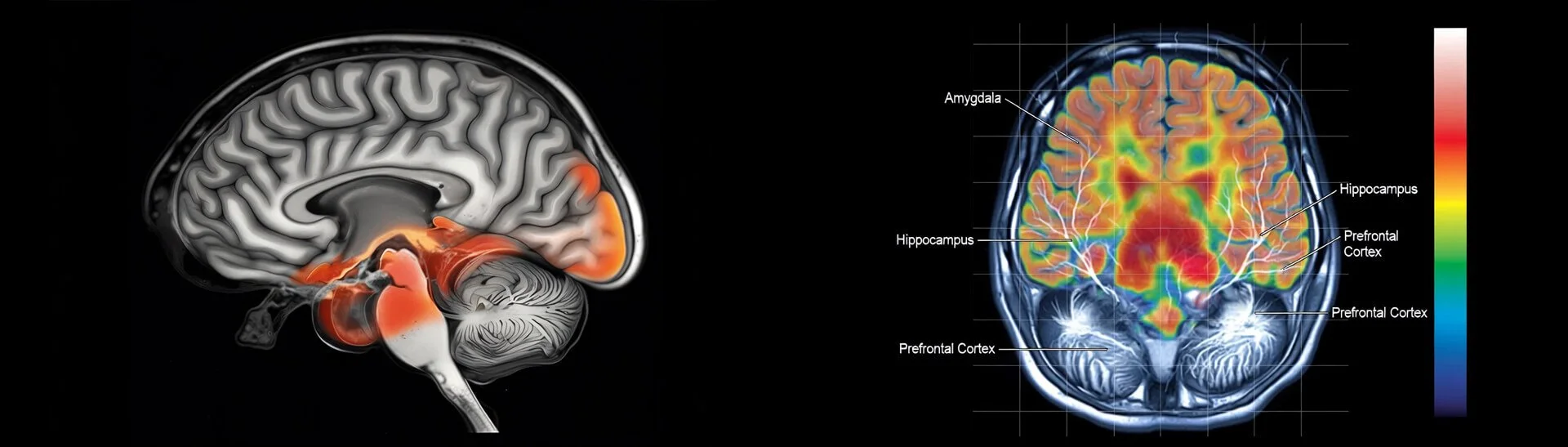
Illustrative fMRI-style visual showing how researchers map brain activity during emotion, memory, and decision-making.
In video marketing, this research helps explain why emotional narratives often outperform feature lists. When a video creates anticipation, relief, or warmth, it can strengthen recall and improve how the brand is felt afterward.
Why Emotions Drive Better Video Performance
Most buying decisions happen quickly and are shaped by feeling as much as logic. Video works well here because sight, sound, and story arrive together, so the message gets felt, not just understood.
Think about a campaign that makes people feel inspired or nostalgic. That kind of emotion tends to strengthen recall and create warmer associations with the brand. The Coca-Cola Company has used this style for years, which is why the best examples feel more like a short story than a sales pitch.
A classic example is the iconic Coca-Cola Christmas trucks campaign, featuring illuminated vehicles rolling through snowy towns. This ad uses nostalgic storytelling, warm lighting, and uplifting music to evoke feelings of happiness and togetherness, building deep emotional ties to the brand over decades. Watch the 2020 version below.
In practice, start your video with an emotional hook within the first few seconds. Show relatable people facing real challenges, or use music that builds warmth or excitement. This approach keeps viewers watching longer and makes your message stick.
Attention follows similar patterns. Amid constant distractions, faces, motion, and contrast often pull focus first. Eye-tracking studies commonly show attention clustering around eyes and expressions, especially when the frame is clean enough for those cues to stand out.
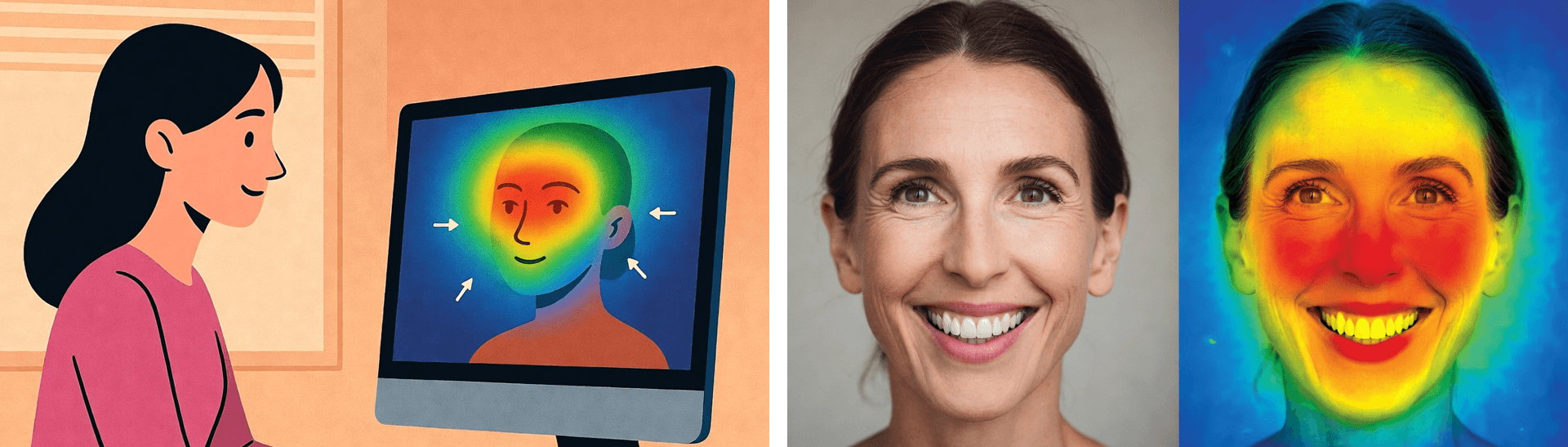
Illustrative eye-tracking heatmap example. Hotspots often cluster on eyes and mouth, while lower-attention areas appear cooler.
Practical Tips and Ethical Considerations
Teams can apply these ideas in everyday production:
Begin with a strong emotional opener, such as a genuine story or challenge, to grab interest instantly.
Prioritise authentic expressions and voices, as brains respond better to sincerity.
Use sound and pacing to enhance mood without overwhelming the viewer.
Review edits for natural flow and test where attention might wane.
The Power of Sound: Choosing the Right Music and Audio
Music and sound design are not just background elements. They shape how a video feels and how long it holds attention. Audio lands alongside visuals, so it can carry warmth, tension, or trust, and it often does more emotional work than teams realise
Even a single track change can transform the entire vibe of your video, turning something ordinary into something unforgettable. Here's a quick checklist to choose and use sound effectively:
Match emotion to intent: Select music that aligns with your core feeling. Use uplifting major keys for joy/inspiration, minor keys for introspection or urgency.
Layer subtly: Combine ambient sounds, effects, or voiceovers to create immersion without overpowering dialogue or visuals.
Consider ASMR elements: Soft, close sounds can create intimacy and calm for some viewers, which can suit product demos or trust-building moments when it fits the brand
Pace with the edit: Sync beats or swells to key cuts and reveals for natural rhythm that keeps the brain engaged.
Test variations: Try multiple tracks on the same edit. Small changes in music can shift perceived energy and emotion, and that can affect how long people stay with the cut.
Ethics play a crucial role too. Neuromarketing provides powerful tools, but it prompts important questions about influence and privacy. The focus should stay on delivering real value and building trust, rather than exploiting subconscious triggers. Responsible use ensures campaigns enrich audiences while respecting their autonomy.

Ethics sets the boundary. The checklist below focuses on craft choices that earn attention without crossing it.
A practical way to use this on the next edit
In a crowded feed, small changes in hook, pacing, and sound can make a campaign easier to follow and easier to remember. Use this simple checklist on the next cut:
Hook early: Open with a human moment or a clear emotional cue in the first 3 to 5 seconds.
Prioritise faces: Use real expressions and close framing when trust matters.
Shape with sound: Choose music and effects that support the feeling, not just the tempo.
Control pacing: Give key moments enough time to land before moving on.
Test and refine: Watch once with sound, once with low sound, then adjust what feels unclear or flat.
Don’t Get Left Behind
Run this checklist, then rewatch the first 10 seconds. If the opening does not create a clear feeling, fix the hook, tighten the pacing, and simplify the sound bed until the video feels easy to stay with. The goal is not more tricks. The goal is one clear emotional direction, carried consistently from first frame to final beat.