ASMR video production for brands
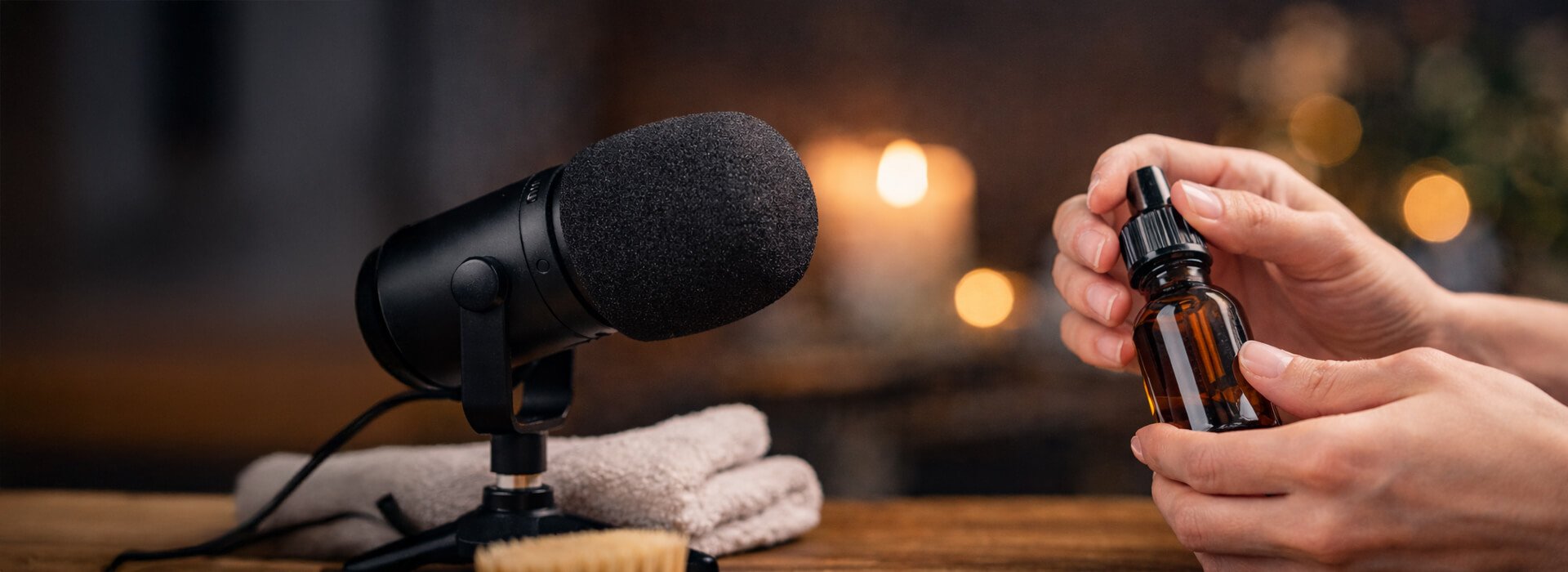
ASMR style product videos work when they make the viewer slow down and notice what the product is actually like.
This post shows how to use calm pacing, close detail, and clean sound in product content, while keeping it brand safe and avoiding anything that feels forced or overly intimate.
ASMR stands for Autonomous Sensory Meridian Response. Some people experience a pleasant tingling sensation from certain sounds and visuals, and others simply respond to the quieter rhythm and the clarity of detail. Research found ASMR viewing was associated with reduced heart rate for people who experience ASMR.
The same approach shows up across a wider idea of craft led sensory storytelling, where pacing and detail do the convincing rather than bigger claims.
The sustained popularity of ASMR
ASMR has stayed popular because it fits how people actually watch. Headphones, quiet viewing, short breaks between tasks, winding down at night, and a strong sensitivity to sound when attention is tired.
That matters for product videos because sound carries meaning fast. A zip that glides, a cap that seals with a clean click, fabric with weight, those cues can communicate build quality without extra explanation.
Search intent tends to be practical. People look for ASMR product video ideas, ASMR for brands, oddly satisfying product videos, product sound design, and how to record clean audio for close ups.
Why brands are embracing ASMR elements
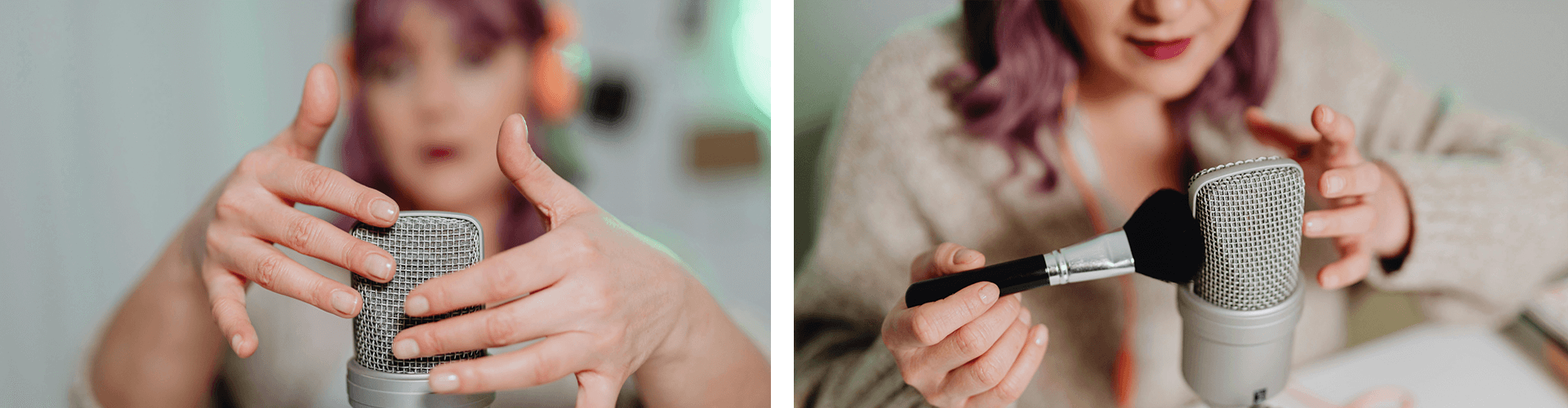
ASMR works best when it supports real product behaviour. It is less about whispering and more about texture, pacing, and clean sound.
A useful distinction is brand safe ASMR versus creator ASMR. Brand safe ASMR keeps the viewer at a respectful distance. It focuses on natural sound, clear handling, and slow movement, with no roleplay or personal attention performance.
There is also a practical risk worth naming. ASMR style content is not neutral. Some viewers enjoy it and some switch off quickly, so the safest approach is to keep the tone product led and give yourself an alternative edit.
A practical answer is to create two edits. One with ASMR forward audio. One with standard sound design. Then test and keep the version that feels clearer for the audience.
Examples that show brand safe ASMR can work
One brand reference point is the BlendJet YouTube success story, which shows satisfying sound and close detail used as entertainment rather than personal attention.
If a second reference helps, the same campaign is also covered in the BlendJet Google Business success story, which is useful for seeing the idea framed for performance marketing.
For audio led placements, the VeraLab Spotify Ads example is a helpful reference for how calmer, texture focused sound can work in an ad environment.
Ideas for marketing teams and content creators
If a brand wants to explore sensory elements in video production, these are practical starting points.
Choose an element that fits the product
Use this table to pick elements that match the product and stay comfortable on headphones.
| ASMR element | Brand-safe effect | Where it works best | Boundary to avoid | Clean production tip |
|---|---|---|---|---|
| Close mic texture sounds | Makes materials and build quality feel more tangible | Unboxing, product handling, detail shots, packaging | Overly wet mouth sounds, whispering that feels personal | Record a separate audio pass, keep gain low, remove harsh peaks in post |
| Micro detail visuals | Signals care and quality through small cues | Texture, stitching, finishes, ingredients, surfaces, craftsmanship | Over sharpening, fake texture, overly glossy grading | Use soft light, keep focus precise, avoid fast camera moves that smear detail |
| No talking, natural sound only | Feels grounded and non performative | Gear setup, cooking, routines, demonstrations, workshop content | Dead air, cluttered background noise | Control the room tone, capture consistent ambience, keep edits smooth |
| Rhythmic tapping or clicking | Adds satisfying feedback, reinforces precision | Packaging, switches, lids, mechanisms, hardware | Aggressive tapping, sudden volume spikes | Use a soft surface under the product, capture multiple takes, pick the cleanest transient |
| Slow hand movements | Creates calm attention and helps viewers follow steps | Skincare, jewellery, craft, tools, food prep | Slow for the sake of it, dragging pacing without new information | Use a tripod, move hands intentionally, cut when the eye already has the detail |
| Soft spoken guidance | Adds clarity while keeping a calm tone | How to use, step by step routines, product care, tutorials | Whisper roleplay, overly intimate language | Speak slightly off mic, keep delivery neutral, compress lightly for consistency |
Make the workflow simple

Use this as a quick check before publishing, especially if the brand is new to the audience
| Step | What to do | Examples | Keep it brand-safe by avoiding |
|---|---|---|---|
| Collaborate with clear boundaries | If creators are involved, align tone and limits before shooting. | Keep the performance focused on product and process. If voice is used, keep it neutral and instructional. | Viewer-directed intimacy, roleplay cues, and anything that feels like personal attention. |
| Keep pacing calm and purposeful | Let the viewer register detail, then cut as soon as the eye has it. | Short pauses for meaning, then progression. Return to human scale if a sequence starts to feel like a loop. | Dragging edits, repeated actions, and slow motion used as filler. |
| Match triggers to the product | Choose sounds and movements that naturally happen when the product is used. | Drinks, pour and fizz. Skincare, dispensing and brushing. Hardware, clicks and zips. Fashion, fabric swish. Food, slicing and crackle. Packaging, paper folds and peel seals. | Random triggers that do not fit the product, or repetitive looping with no new information. |
| Prioritise sound quality | Control the room and keep levels gentle so headphone listeners are comfortable. | Quiet room, consistent room tone, clean mic placement, conservative gain. | Sudden spikes, harsh transients, noisy backgrounds, and overly close mouth sounds. |
| Record two passes | Film a clean visual take, then record a separate audio take focused on texture. | First pass for framing. Second pass for slow handling with the mic placed for detail. Sync and pick the cleanest moments in post. | Trying to capture everything in one rushed take, which usually creates noisy audio and fussy handling. |
| Shoot for texture, not tricks | Use close-ups only when they reveal something real about materials and function. | Surface detail, resistance, viscosity, stitching, finish, how a cap seals, how a hinge moves. | Showy camera moves that add no clarity, and over-sharpening that makes textures look artificial. |
| Test two edits | Run a simple A/B approach to reduce the risk of audience split. | Version A, natural sound only. Version B, light music that drops out for key moments. Compare watch time, saves, comments. | Locking in one tone before feedback, especially for unfamiliar brands or first-time audiences. |
| Use a brand-safe checklist | Treat this table as a guardrail for sound, visuals, pacing, and boundaries. | Gentle levels, real product sounds, respectful distance, one clear purpose per shot. | Overdoing the format, stacking multiple triggers, or making the video about ASMR rather than the product. |
Where ASMR goes wrong, and how to keep it brand safe
Most problems come from one of three places.
The audio is too loud for headphones. The fix is to keep transients gentle, avoid sudden tapping spikes, and let texture sit under the picture rather than jump out at it.
The tone feels personal. The fix is to remove viewer directed language and keep the performance focused on the product and the process.
The audience splits. The fix is to ship two edits and test, especially when the brand is less known, because ASMR style can be loved by some and disliked by others.
A quieter kind of confidence
ASMR elements work when they make the product easier to understand. The moment they become a performance, the trust benefit can disappear.
Keep it product led, keep it respectful, and use sound like a camera. Frame what matters, then stop.
What would the product sound like if the edit did less?