

London filmmaker working across real and AI-generated video
The story is human. The tools are whatever the story needs. I write and speak on where the human line sits.
Every frame of this reel is real footage from my projects.
Selected clients
I've been trusted with projects for ICE, owner of the New York Stock Exchange, and CBRE, and I've worked with everybody from startups to billion-dollar brands.








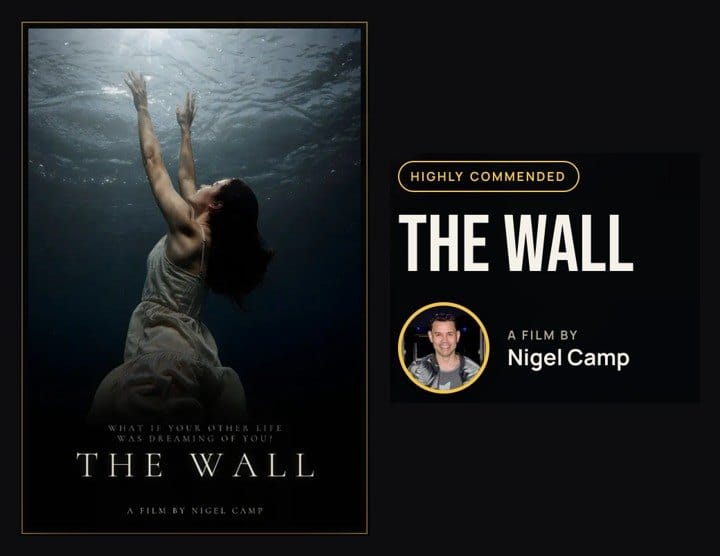

Now making AI films, in London
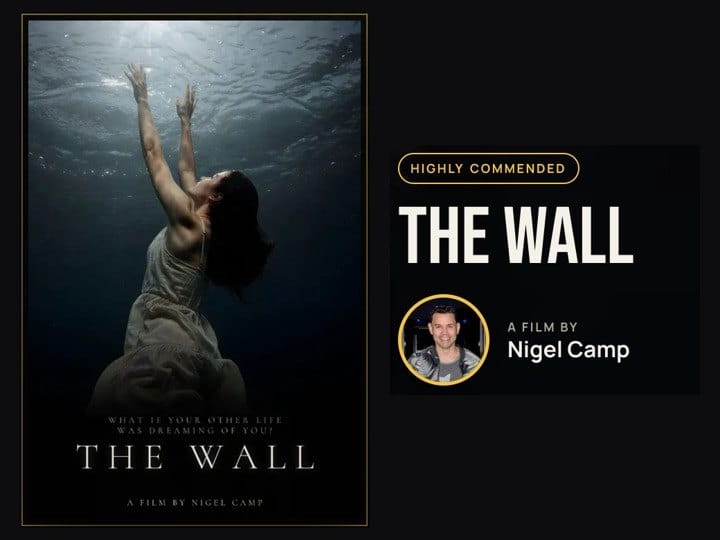
Alongside the crewed work, I direct AI video: adverts, brand films, music visuals, animation and short films. My AI short The Wall was Highly Commended at Big Screen Hack London 2026. Same rule as everything else I make. AI assists. It does not direct.
Selected work


Got a brief, or just an idea?
Start a projectWhere I stand
AI does not remove the need for someone to be accountable for what ends up on screen. It makes that person more important.
If a piece uses a real person's likeness, they should know and agree in writing.
If it is generated, the audience should not be misled about that.
If it is a story worth telling, a human wrote it.
That is the line I work to, whichever tools are in play, and it is the same line I bring to every brief, workshop and article on this site. Read the full AI policy.
Three ways in
-
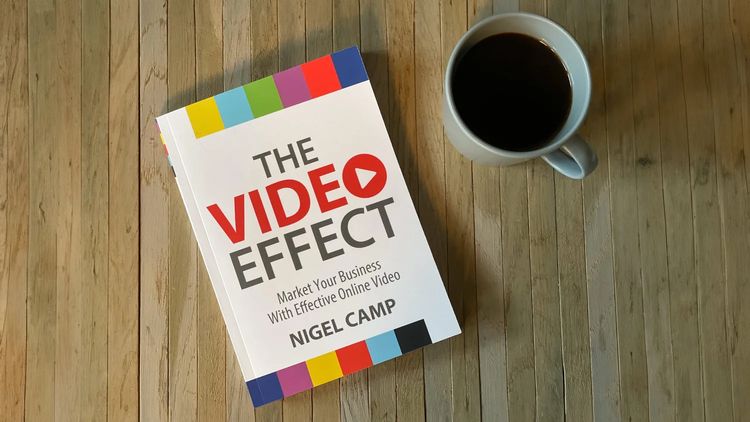
Read the work. The blog carries my current thinking on AI, consent and trust, and The Video Effect covers the decisions underneath.
-
Work with me directly. Strategy, scripts and creative review across crewed and AI-generated video, plus workshops for in-house teams.
-
Commission a production. Crews, kit and delivery run through DevilBoy Productions, the company behind the work.
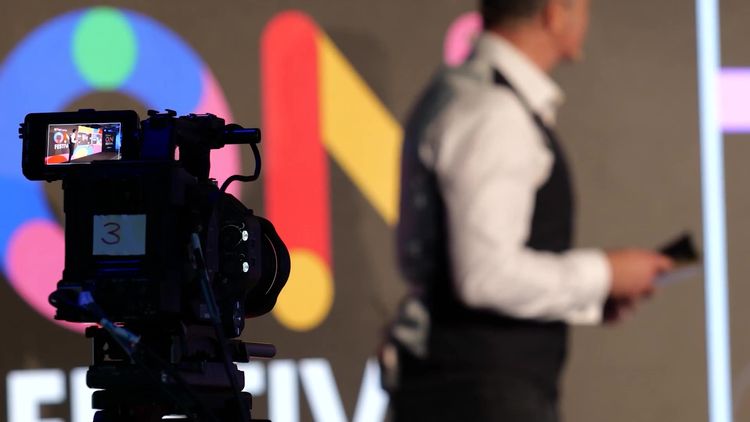
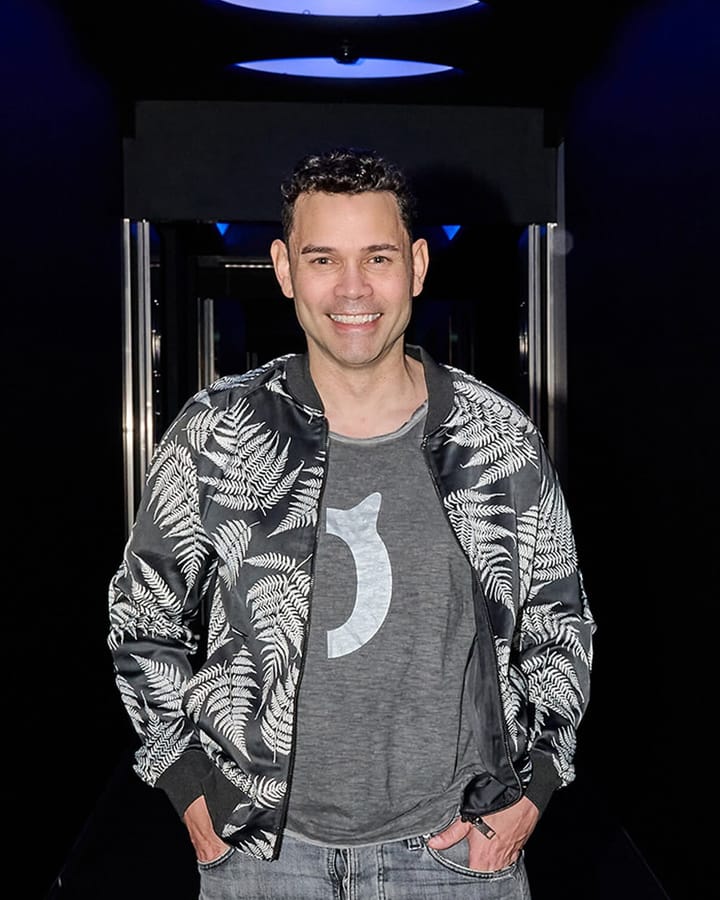
About
I'm Nigel Camp, a London-based filmmaker, the author of The Video Effect, and the founder of DevilBoy Productions, the production company I set up in 2011.
I've spent more than 15 years making commissioned films for organisations including Royal Holloway, Freshworks, VSO and RE/MAX, and more than a decade teaching filmmaking, including at General Assembly and Cambridge University Press.
Read my storyStart here
-
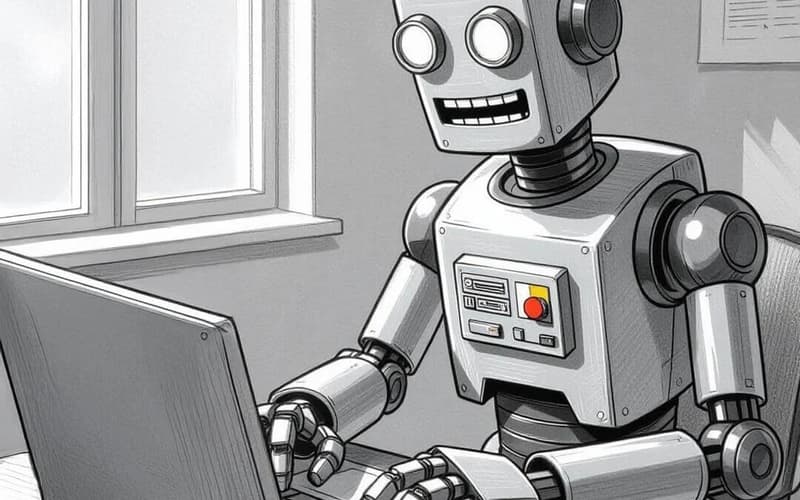
Will AI Replace Human Video Editors by 2030?
Not the job, but the tasks. -
Psychology of Film Editing: Why Cuts and Pacing Decide Everything
Discover why editing is the unsung force behind emotional impact in videos. -
Real or AI-generated video? How audiences decide what to trust
When should video be real, and when is AI-generated fine? -
Where Video Lives Now: A Practical Map of Film Audiences
Sofa, phone, laptop or cinema.