Kinesthetic Engagement: Making Brand Video Feel Physical

Imagine a feed lighting up with clips from the Las Vegas Sphere. People are not just watching. They are leaning forward, eyes wide, posting things like “I literally felt the wind from that drone shot” or “my seat vibrated when the bass dropped.” That is not sci-fi. That is what audiences expect now, and it is a wake-up call for anyone doing video marketing.
Most brand video is built for eyes and ears only, which is why polished work can still feel forgettable. The aim here is to build kinesthetic engagement, so the work feels physical and immersive through motion cues, implied touch, and visible effort. The sections below show what to change in shot choice, pacing, sound, and on-screen action so the viewer feels presence, not just information.
It matters because a meaningful slice of viewers connect best when a video suggests movement, texture, and physical presence. Ignore that layer and emotional impact drops, even when the visuals look polished. The examples here fit within a wider storytelling approach, where sound, rhythm, texture, and movement work together to make a cut feel real rather than templated.
The tech is finally catching up. Haptic feedback suits, gloves that let people “feel” textures in VR, and installations like the Sphere are proving multisensory video is not a gimmick. It is becoming a competitive edge.
Who Are Kinaesthetic Learners and Why Do They Matter?
Learning preference models like VARK learning modalities describe a kinesthetic preference as learning through experience, movement, and hands-on cues. In practice, the share of people who score “kinesthetic” varies widely by study and population, so it is safer to cite results in specific cohorts rather than claim a universal percentage. For example, one published VARK-based study reported 30.1% kinesthetic learners in that sample.
Picture the buzz around experiences at the Sphere, where 10,000 haptic seats are part of the venue’s immersion tech. Sphere also describes atmospheric effects like wind and scent as part of the experience, which helps explain why audiences describe the work as something they can physically feel.
Adding the Sense of Touch to Boost Engagement

Much of today's online video caters to visual and auditory preferences, but a meaningful portion of viewers (those who thrive on touch and motion) often get left out. By building in elements that evoke physical feelings, brands can forge deeper connections. This approach feels fresh and addresses a real gap in the market. For companies wanting to create lasting impressions, appealing to these learners opens up valuable opportunities.
In practice, even small additions like subtle vibrations or motion cues can make content more memorable, turning viewers into active participants rather than distant observers.
What Immersive Venues Like the Sphere Teach Us
The Las Vegas Sphere stands out as a groundbreaking space that turns entertainment into full-body experiences. No longer just places for sitting back and watching, these venues wrap audiences in multiple layers of sensation. With its massive 16K resolution LED screen, advanced audio, and 4D effects including wind, scent, and haptic vibrations in many seats, it reimagines what cinematic or live events can feel like (particularly for those who respond strongly to movement and touch).
These large-scale examples highlight how activating more senses keeps people engaged longer and leaves stronger emotional traces.
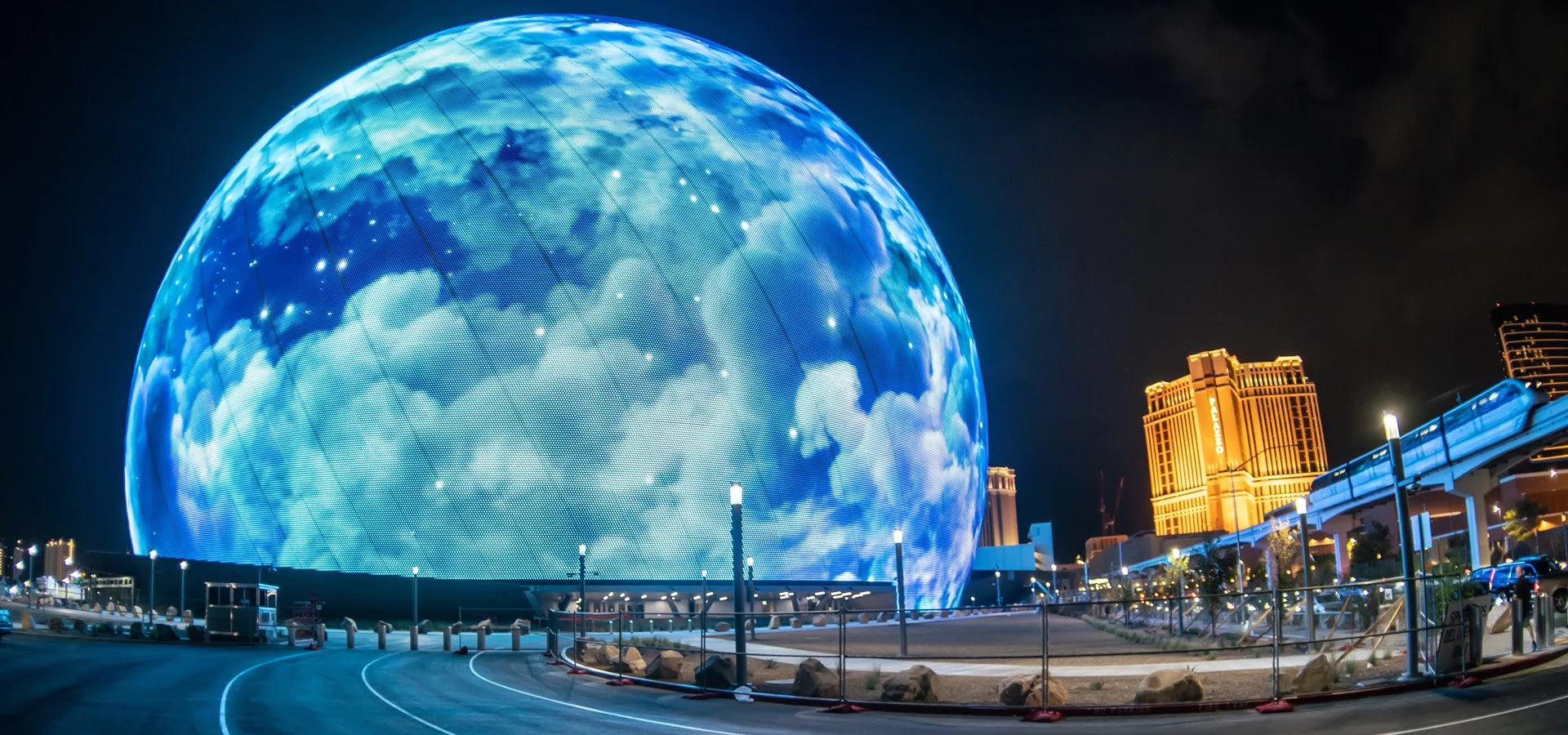
The Sphere at The Venetian Resort, Las Vegas
Reasons Brands Should Pay Attention
If you are wondering whether it is worth investing time and budget into multisensory elements, the answer comes down to a handful of practical advantages that are already showing up in real campaigns. Here are some straightforward benefits that make this shift worth exploring:
Reaching an Underserved Group
Estimates vary, but research points to kinaesthetic learners making up roughly 5% to 15% of people. Ignoring them means potentially missing a responsive segment of your audience who might otherwise scroll straight past traditional video.
Building Stronger Connections
Content that incorporates physical elements often leads to better recall and emotional involvement. When people literally feel part of your story (through vibrations, motion, or simulated touch), the message tends to stay with them longer. Venues like the Sphere show how "felt" experiences linger in people's minds and spark genuine conversations.
Differentiating in a Busy Space
With so much content competing for attention, multisensory approaches help brands cut through and position themselves as forward-thinking. Standing out does not always require the biggest budget; even subtle tactile cues can make your work feel more innovative than another polished but flat 2D clip.
Encouraging Real Actions
When viewers physically connect with your message, they are more likely to share it, interact further, or even buy. That extra layer of immersion often turns passive scrolling into active engagement, boosting shares, comments, and conversions in ways that sight and sound alone rarely achieve.
Exploring Phantom Touch in Virtual Reality
Back in the early 2000s, many noticed "phantom vibration syndrome" (feeling a phone buzz when it had not). This quirky glitch revealed how our brains can interpret signals in unexpected ways. Fast-forward to virtual reality, where similar ideas are emerging without any hardware.
Researcher Sasha Alexdottir, a PhD candidate, has been studying what is known as phantom touch in VR (the sensation of feeling touch from virtual interactions, even with no physical contact or haptic devices). Her work sheds light on how our perception bridges the gap between sight, sound, and imagined touch.
This could open doors for brands in several ways:
Wider Accessibility: Create touch-like intimacy across distances without needing specialist gear.
Varied Uses: From virtual worlds to wellbeing applications, the possibilities span entertainment, social connection, and therapy.
Enhancing VR Depth: Adding a layer of perceived touch makes virtual experiences richer and more convincing.
What stands out is how approachable this can be (often relying on clever visuals and context rather than costly equipment).
How VR Is Already Proving Itself
Studies in education highlight how VR and augmented reality improve retention and motivation when learners can interact hands-on, even virtually. These findings carry over nicely to marketing, where "doing" something with a brand builds stronger ties than simply viewing.
Companies using VR for product explorations or storytelling are reporting higher engagement and better results. It is not just about novelty. When audiences feel involved through movement or simulated touch, they connect more deeply and respond more positively.
Practical Ideas Inspired by the Las Vegas Sphere
Screens dominate most of our viewing these days, yet places like the Las Vegas Sphere are changing how audiences physically experience content. If you want to make your brand's videos or events more unforgettable, consider adapting some of these proven elements:
Haptic Feedback: Add vibrations in interactive ads or virtual demos to sync with key moments.
4D Elements: Incorporate wind, scent, or temperature cues where possible, such as in pop-up experiences.
Top-Tier Audio and Visuals: Prioritise crisp resolution and spatial sound, as demonstrated by the Sphere's wraparound screen and advanced speakers.
Many of these can scale down affordably for events, apps, or headset-based campaigns (no need for a massive venue).
Potential Hurdles and How to Handle Them
Adding touch and movement to video opens up exciting possibilities, yet early attempts can sometimes miss the mark. Small oversights have turned promising ideas into experiences that feel uncomfortable or exclusionary for some viewers. Here are the most common issues brands run into, along with straightforward ways to avoid them:
Sensory Overload: Too much intensity can overwhelm rather than immerse (tip: start gently and offer controls).
Accessibility Concerns: Strong effects might not suit everyone (tip: include options to adjust or disable).
Cost Barriers: Big installations are expensive, but partnerships or simpler tech provide entry points.
Getting these details right early on not only prevents negative feedback but also shows your audience that you have thought carefully about their experience. That kind of consideration builds trust and makes people more likely to engage again.
Time to Bring Touch into Your Video Strategy
The way we consume video is changing quickly. Tapping into how people feel movement and touch (whether through established venues like the Sphere, emerging VR techniques, or clever video design) is becoming a smart move for brands. These ideas are not distant dreams. They are happening now, ready for creative teams to adapt and make their own.
What do you think? Ready to add a bit more "feel" to your next campaign?