Human vs. Synthetic: The Battle for the Soul of AI Filmmaking
Last updated: May 4, 2026
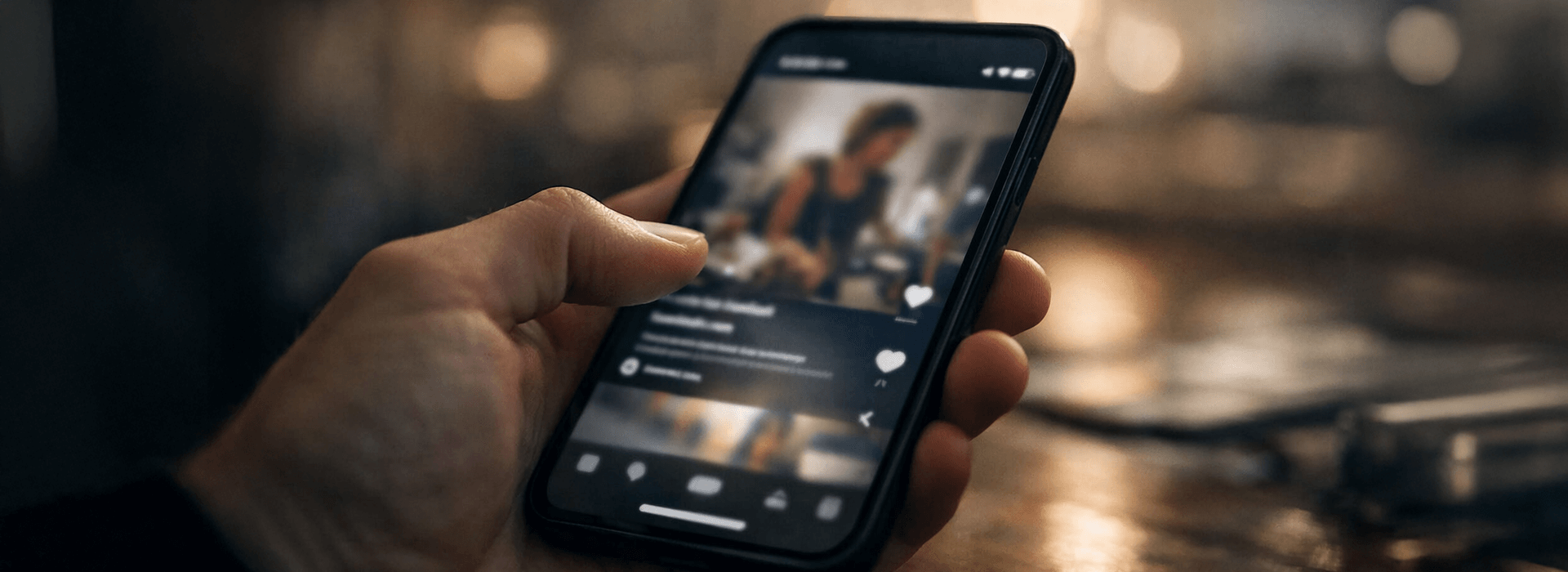
AI filmmaking no longer raises only a technical question. It raises a human one. When synthetic video can look polished, cinematic, and emotionally persuasive, the real issue becomes what viewers still believe, what creators still stand behind, and what kind of work keeps its meaning once doubt enters the frame.
This page is here to guide people through a messy shift with clearer questions, better judgement, and more confidence about what matters. Trust, consent, authorship, proof, performance, workflow, audience response, automation pressure, and small business adoption now sit inside the same decision. This guide brings those strands together so readers can see what matters, what to check, and where each related topic fits.
Taken together, these questions form a wider picture of how trust, disclosure, proof, consent, performance, and workflow now connect in AI filmmaking. The linked articles explore each issue in more detail where that is useful.
The moment the illusion cracks
A short clip slid past in someone’s feed. A young woman dancing in her kitchen, half laughing at herself. Steam lifted from a kettle behind her. It felt like a real moment, and that was the point. That’s the new normal for AI generated video too, because it often lives in the same feed where people expect unguarded human moments.
Then a commenter pointed out the tell. For a fraction of a second, her hand didn’t meet the cupboard door. It passed through it.
The mood shifted, not into outrage, but into distance. The clip still looked lively and competently made, but it no longer felt like a person letting you in. It felt like output. Once that change happens, it rarely stays contained to one post. Viewers carry that doubt into everything else they watch.
Doubt is a terrible companion to feeling, and it isn’t limited to film. People feel it in ads, founder clips, charity appeals, and even voice notes. Once doubt shows up, it follows you into the next thing you watch.
In 2026 this isn’t rare. It’s part of the daily rhythm. People meet that flicker of uncertainty on Shorts and Reels until suspicion becomes a viewing habit, and habits are harder to reverse than opinions.
This is the tension now. Not AI versus artists as a slogan. It’s whether watching stays relational or turns into a verification task.
Generation is no longer a toy. It is shaping taste at the top end, which is why Google Veo and machine made cinema belongs alongside this.
Start here
If you make video, this is about keeping human stake visible when tools can generate the surface. If you commission video, this is about avoiding doubt you cannot claw back when viewers start watching like investigators. If you just watch, this is about why something that looks fine can still feel distant.
If you only need the short version, start with three points. Viewers rarely stop trusting a piece all at once. Perfect polish can now signal less than it used to. And the strongest work isn’t likely to be the work that hides AI best. It’s more likely to be the work that stays clear about what changed, who chose it, and why it still deserves belief.
Explore this guide
If there’s one section to start with, begin with How viewers decide what to believe. It explains the small moments that make people pull away before they realise it.
Why trust breaks
Trust doesn’t break with a bang. It breaks with a pause. The moment you think, what am I watching? Once that thought appears, the story is no longer holding you. You’re holding the story at arm’s length.
People trust video through small human tells. A breath before a line. A stumble that feels real. An expression that lands imperfectly because life isn’t perfectly timed. That’s why tiny cues carry so much weight. The audience isn’t only judging image quality. It’s judging whether the piece still feels answerable to a person.
And this isn’t just about AI. Editing alone can change a narrative. Two shots swapped. A reaction pulled from a different moment. A pause cut out. Suddenly the same event tells a different story. That’s why bias isn’t an abstract worry. If the cut nudges people towards a conclusion without them noticing, trust doesn’t simply drop on that one video. It drops on the creator, the brand, and sometimes the subject too.
In a flood of clips, most people don’t argue. They leave. That’s the part creators miss. You don’t get a comment that says I no longer trust you. You just stop being watched.
This matters even more outside film, where everyone knows it is constructed. It matters in the places people treat video like context. News, commentary, founder updates, charity appeals, and anything shared as proof on social feeds all ask the viewer to decide whether the work still feels answerable to someone. Once manipulation is suspected, even honest work starts getting the side eye.
That answer gets weaker when clips travel without their original captions, labels, or surrounding context. Once a piece is reposted into a feed that strips away the frame that once explained it, the trust problem changes shape. If you want the narrower question of what happens after context falls away, why AI video trust breaks when context gets stripped away takes that further.
How viewers decide what to believe
Trust feels invisible until it breaks. Once people start doubting what they’re seeing, watching takes effort, and effort is where attention leaks.
The old binary is already too blunt. Is it AI or not? That question misses the more important one. Does this work respect the viewer’s right to understand what they’re looking at?
A simple way to think about it is a three part trust check. Disclosure is what you tell people, plainly, at the moment it matters. Where it came from is whether the origin still makes sense after reposts, crops, and compression. Accountability is whether someone stands behind it and will answer for it.
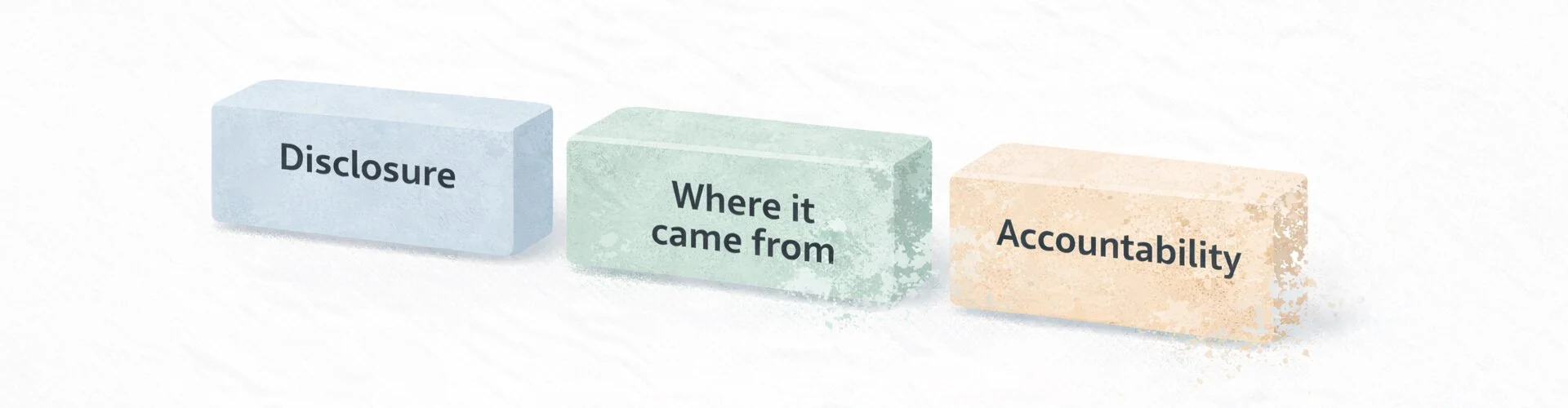
Three-part trust check for video. Disclosure, where it came from, accountability.
This is the quiet behaviour change underneath everything. People reward work that feels governed by real choices, and they pull away from work that feels like it’s trying to slip past judgement, even when they can’t explain why. A clip gets reposted, cropped, compressed, and stripped of caption context, and trust often fails in a predictable order. Disclosure disappears first. Where it came from blurs next. If nobody is accountable, the viewer does the only thing left. They withdraw.
The practical collision between capability, speed, and oversight shows up first in AI video production workflows where ideals meet deadlines and where small choices quietly set the tone for what the audience is asked to believe. Where speed meets weak oversight, small shortcuts can turn into trust debt, which is why ethical AI video guidelines belongs next to workflow rather than somewhere off to the side.
When synthetic media starts behaving like evidence, the trust collapse accelerates. That pressure becomes even sharper in live events and broadcasts, where people read overlays, captions, and generated visuals in real time before anyone can add context, which is why deepfakes in Hollywood and digital likeness sit close to the centre of this guide.
When platforms can revise finished work without visible seams, authorship becomes unstable and memory becomes negotiable. That is why AI and film censorship belongs here too, because the trust question is not only what the tools can generate, but what can be quietly revised once the seam disappears.
When perfection starts to feel hollow
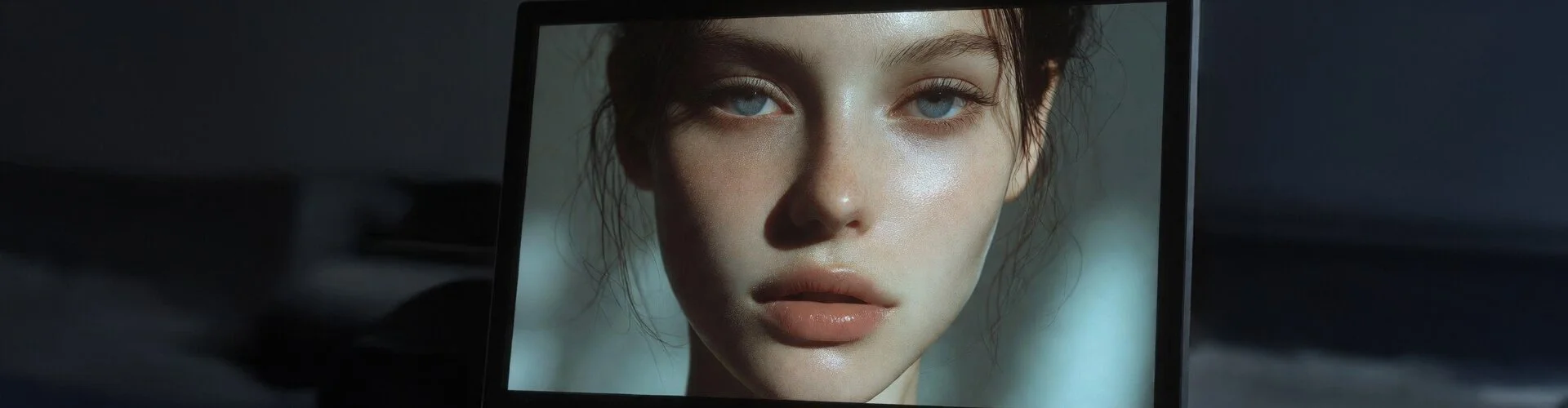
The first wave of synthetic video wins attention by being impressive. The next wave risks losing attention by being frictionless. That isn’t because viewers suddenly become purists. It’s because polish stops functioning as a marker of care once everyone can buy it.
When every face is perfectly lit, every delivery perfectly paced, and every reaction feels calibrated, viewers start to feel the smoothing itself. They may keep watching, but they invest less.
This is where the debate gets muddled. The fear isn’t only job loss, even though that matters. The deeper shift is emotional economics. When performance can be produced without risk, fatigue, or a lived past behind the eyes, it can read as technically correct but emotionally weightless.
Viewers do not always rage. Often they simply disengage, and disengagement is fatal to meaning because it leaves no trace.
AI generated content is here to stay. The risk isn’t that it exists. The risk is overabundance, because volume can make everything feel weightless.
That is why the goal is not to look perfect. It is to stay believable.
That’s where post becomes more important, not less. When polish becomes cheap, value shifts into finishing choices that preserve texture, restraint, and judgement, which is why pixel level craft in post belongs in the body of this guide rather than buried elsewhere. If you want the practical side of that pressure, practical AI editing tools for UK creators and whether AI will replace human video editors by 2030 take the tooling and role question further.
The same pressure now sits over performance itself. If the image can be generated and the face can be tuned until all friction disappears, audiences may start searching for signs of real human presence elsewhere, which is why the human touch in cinema sits alongside this discussion. Some questions also land faster in fiction than in analysis, which is why an AI superstar story about ownership and identity belongs nearby.
The authenticity premium is not nostalgia
When perfect becomes cheap, credible reality becomes valuable. You can already feel the early shape of an authenticity premium, where attention sticks to work that signals a real person risked something, made choices, and stood behind them. It’s not about mess for its own sake. It’s about the viewer sensing lived effort, not manufactured ease.
The irony is that flawless floods make people crave the glitch. Not because mistakes are lovable, but because small imperfections can be a quiet signal that a human took a risk and did the work rather than generating a surface. This won’t play out the same way everywhere. Some markets will choose speed and volume because it’s useful. But in cultural work, meaning is sensitive to whether the viewer believes there was a human on the other side of the frame.
The same shift is beginning to reshape how performers are valued, and questions around actors becoming royalty earning IP now sit closer to the centre of the conversation. Once identity is copyable, permission becomes part of the meaning, not an afterthought. That is why AI voiceovers for voice actors and businesses belongs in the trust conversation too, especially when the viewer thinks they are hearing a real person.
Quick reference
This section is here for the moments when time is short and judgement matters. It’s a quick way to sense whether a piece will hold attention or trigger suspicion. Use it before publishing, then again after you watch it back with fresh eyes. Fresh eyes spot doubt faster than any tool.
The 30 second trust check
Answer these like a viewer would, not like a producer. If a line feels slippery, tighten the edit, add a simple disclosure, or keep a version of the original that backs the claim. Small clarity now is what stops bigger distrust later.
What changed?
What exists beyond the frame?
Who stands behind the choice?
If you can’t answer these cleanly, the viewer may answer them for you.
Proof is built before publish
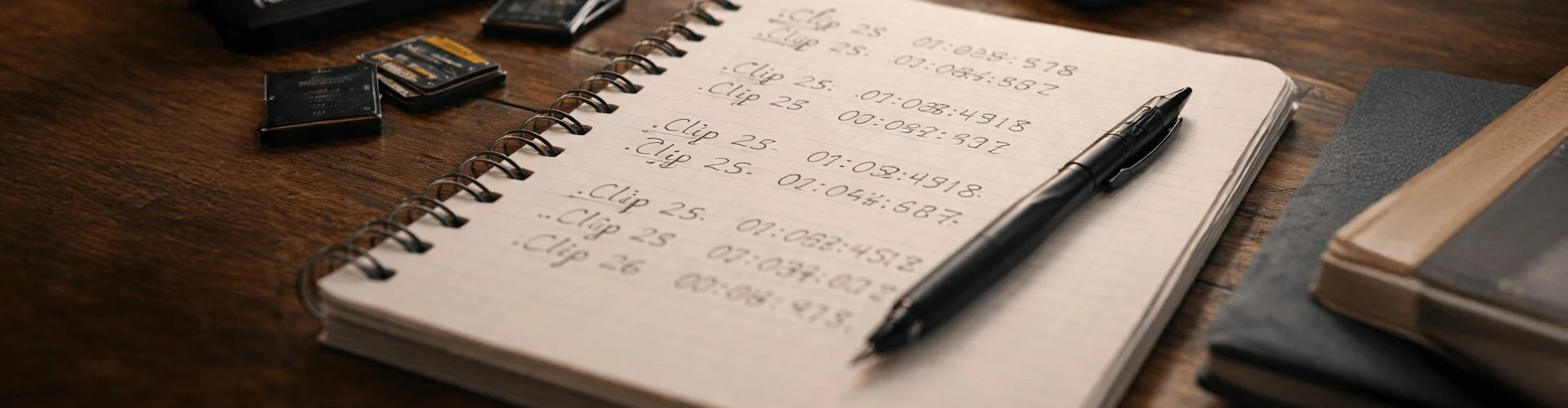
Proof isn't one thing. It's a bundle of small signals that help people relax into the story, and those signals tend to fall into three areas. Where it came from, meaning how the work was made. Proof it happened, meaning what existed beyond the edit. And intent, meaning why the choices were made and who answers for them. This section is an overview rather than the full process. For proof trails, permissions, provenance signals, and the records you may need later, Who Owns the IP, and How Do You Prove You Made It? and whether technology can protect AI work or only prove it go further.
Tools can help show where it came from, but they can’t supply intent. Labels can help with disclosure, but they don’t prove something happened once the clip gets reposted and stripped of context. That’s why trust has to be designed into the work, not pasted on at the end.
If you want a practical reference point for provenance, Content Credentials are one of the clearest current efforts to standardise how media history and edits can be attached to files. They help with provenance, but they don’t replace judgement, consent, or accountability.
If real people, likenesses, voices, or personal data are involved, the UK ICO guidance on AI and data protection is a useful baseline for how fairness, transparency, and responsibility are expected to work when AI systems process personal data.
In post, the shift is less about speed and more about judgement. Once tools can generate options faster than a human can review them, creative value moves towards taste and responsibility. That same pressure sits behind AI storytelling and scriptwriting in Hollywood where drafting gets faster but intent can flatten, and behind AI video tools for small businesses where access expands faster than trust habits do.
And once synthetic footage becomes easy to generate, the scarce thing is no longer output. It's what you can actually evidence, which is why who owns the IP and how you prove you made it belongs in the everyday workflow conversation.
Five habits worth stealing
These are the small habits that keep viewers with you when the internet is trained to doubt. Use them before you publish, not after the comments turn suspicious.
If you only steal five habits from this piece, steal these.
Name what changed and what didn’t. Specific beats vague.
Treat faces and voices as consent first material.
Keep originals when claims matter. Rushes, audio, and project files.
Assume labels fail once content gets reposted.
Protect the spell. Don’t turn your viewer into an investigator.
Disclosure that does not ruin the mood
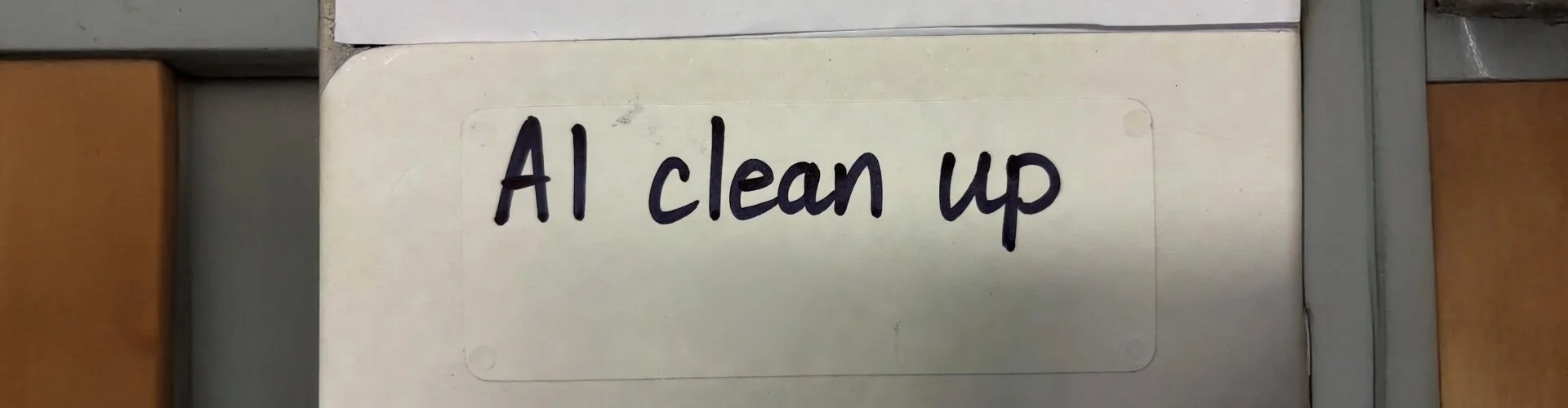
If you’ve got AI fingerprints anywhere in the frame, the kindest thing you can do is say so before anyone starts playing detective. Not because people are fragile, but because hesitation costs more than honesty ever will. A small upfront note lets the viewer exhale and stay with you. Skip it and the air goes thick. Suddenly the viewer isn’t feeling the story. They’re checking the pixels.
Think of disclosure as mood protection. The point isn’t to perform virtue. It’s to keep the air clear, so the viewer stays with the story instead of checking the pixels.
You don’t need to announce every technical step. You do need to be clear when AI changed something that affects what the viewer thinks they’re seeing, hearing, or inferring. That may include synthetic voice, generated performance, composite scenes, or significant clean up that alters what seems like direct evidence.
A useful pre publish check is this.
Can a reasonable viewer tell what kind of truth claim this video is making?
If the answer is no, clarity should be added before the piece goes live.
This guide sets out the principle rather than the full process. For the practical side of permissions, records, and proof trails, Who Owns the IP, and How Do You Prove You Made It? goes further. For publishing standards and guardrails, ethical AI video guidelines offers the narrower follow on.
Copy ready lines
These are simple disclosure lines for moments when clarity matters. Keep them short and place them where people actually look. If you need a fuller process around safeguards, commissioning, or approval before publish, the linked pieces above go further.
| Scenario | Disclosure line | Best placed |
|---|---|---|
| Light AI clean up | AI used for clean up and pacing. No performance was generated. | Description, end card, or credits |
| Blended elements | Some elements are synthetic. This is storytelling, not evidence. | Caption, description, or pinned comment |
| Voice cloning | Voice cloned with permission. Disclosure is part of consent. | Description, pinned comment, or credits |
Quick example
A documentary uses a composite character to protect a real source, and the narration is voiced with AI using permission. Nothing is trying to pass as a raw recording, but viewers still deserve to know what they are hearing. Drop the Voice cloning line into the description or pinned comment so nobody starts wondering what else was altered, and the story can land the way you intended.
Automation, access, and the next wave of pressure
The pressure won’t land in one place only. It will land in writing rooms where prompt driven drafting can flatten intent. It will land in post where tools offer too many acceptable versions too quickly. It will land in commissioning where clients want speed without understanding the rights trail they may need later. And it will land in performance where identity itself becomes a licensable layer of the product.
It will also land in role design. As automation grows, the question isn’t simply whether editors disappear. It’s which parts of judgement remain stubbornly human, which parts get standardised, and which parts become harder to value properly because they happen in fewer visible steps.
The same shift is opening doors for smaller teams. Tools that once sat behind agency budgets are becoming available to local brands, solo operators, and small companies, but access on its own doesn’t solve trust, which is why AI tools that help small businesses belong here too. They matter because they show how quickly these choices are moving from specialist production environments into ordinary commercial use.
This is why broad arguments about whether AI is good or bad don’t help much. The real decisions are narrower. What should stay human because the human cost is part of the meaning? What can be automated without breaking trust? What needs consent before it needs craft? What needs proof before it needs polish?
Those are guide questions, not slogan questions. They’re also the questions that tend to decide whether synthetic work feels thin, manipulative, useful, or genuinely worth keeping.
Where to go next
Intrigued by any of these? Click the articles below for a deeper dive.
| Article | Best for | Who it suits |
|---|---|---|
|
|
How value shifts when performance becomes licensable and copyable | Performers, producers, and commissioners thinking about licensing and long term value |
| A practical way to evidence authorship, permissions, and consent when AI-assisted work gets reused, challenged, or misattributed | Creators, editors, producers, and brands who need defensible documentation for approvals, releases, licences, and platform disputes | |
| Why post is where human judgement shows up, and where control protects what still feels real | Editors, directors, colourists, VFX teams, and anyone shaping performance in the final pass | |
| Seeing what tends to break first once a face and voice can be faked convincingly | Creators, commissioners, and anyone working with recognisable people | |
| My working policy for labels, consent, and the records to keep on a live production | Brands, agencies, and creators who want a practical pre publish routine | |
| Practical workflow choices for shipping work without losing judgement | Editors, producers, and small teams juggling versions and approvals | |
| Keeping voice use clear and consented when identity is the line | Brands using voice, voice artists, and teams considering voice models | |
| What audiences may still recognise as human presence, even when the image is synthetic | Directors, producers, and creatives shaping talent, casting, and audience trust |
FAQ
Is this guide arguing against AI filmmaking?
No. It’s arguing against vague trust claims, weak consent habits, and synthetic work that asks for belief without earning it. AI assisted video can be useful, expressive, efficient, and creatively interesting. The issue isn’t whether it exists. The issue is what kind of relationship it creates with the viewer.
Do audiences always know when something is synthetic?
Not always. In many cases they sense that something is off before they can explain it. That’s part of why disclosure and accountability matter. The viewer shouldn’t have to solve the video before they can feel anything about it.
Is authenticity just another word for rough or handmade?
No. Authenticity isn’t the same as mess. It’s closer to felt accountability. The work seems connected to real choices, real stakes, and someone who is willing to stand behind it.
Why does consent keep appearing in a guide about trust?
Because once identity is copyable, consent isn’t only a legal issue. It becomes part of what the work means. A voice, face, or likeness used without permission can collapse trust even before any formal dispute begins.
The signal that survives the flood
The future of AI filmmaking isn’t likely to be decided by who can generate the cleanest surface. It’s more likely to be decided by who can keep human stake visible when synthetic capability is cheap, fast, and widely available.
That’s the battle for the soul of this space. Not human versus machine as a slogan. Human judgement versus hollow output. Clear authorship versus blurry accountability. Earned belief versus passive suspicion.
When output becomes abundant, the scarce signal isn’t polish. It’s the sense that someone meant this, chose this, and will stand behind it. That’s the signal viewers may keep paying attention to long after the novelty wears off.