Is AI the Trojan Horse for Film Censorship?
Last updated: May 4, 2026
A Familiar Film, Subtly Altered
It is 2035. You put on a film you know well, not because it is comforting, but because it is familiar. It is loud, excessive, and unmistakably of its moment. You remember the pace, the spikes of humour, the moments that turn your stomach, and the point of it, that the ugliness is part of the portrait.
This is not only about one platform decision. It is about what happens when finished work becomes editable after the fact, and viewers start watching with a flicker of doubt instead of trust, which is why trust breaks when video stops feeling stable.
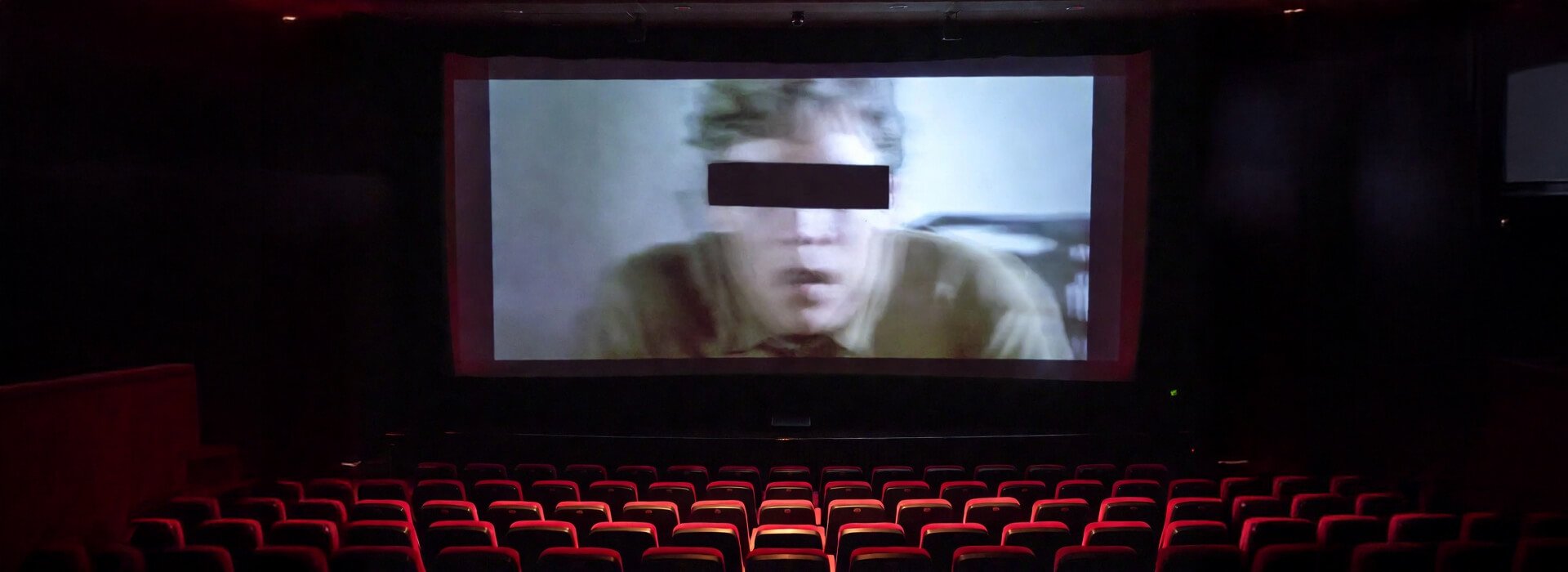
At first, it plays as expected. Then something feels slightly off, a line lands differently, and a few minutes later another exchange feels oddly muted. Eventually you realise it is not your memory, it is the film. A slur has been redubbed into milder phrasing. A particularly graphic moment is still implied, but the framing has been subtly regenerated so it reads as less explicit. The rhythm stays intact, the scene still flows, and there is no visible cut to warn you where the alteration happened.
Then there is a stranger detail. Halfway through, a supporting character feels wrong. Not missing exactly, the scenes are still there, the dialogue still lands in the same places. But the face is different. The voice is different too, close enough to pass if you are half-watching, and unfamiliar enough to pull you out if you are not.
The doubt turns inward. You start questioning your own recall. Did that scene even happen, or have you stitched it together from trailers and half-remembered quotes? The edit is so clean you feel almost embarrassed for noticing.
Then you do what people do when they need to check their own memory. You look the actor up. You search for scenes from other films, just to confirm you are not imagining it. In a couple of clips, the same kind of smooth substitution seems to be in place, a different face, a different voice, the role still present but the person oddly absent. It is hard to tell whether it is a rights issue, a reputational decision, or a quirk of the versions you are being served. The platform does not announce it. The replacement becomes the version you are served as the master.
You only get confirmation when you ring a friend and ask an oddly specific favour. Do they still have the old Blu-ray? A few minutes later they send a photo of the case, then a shaky clip from their TV as it plays. The scene is there. The line lands exactly as you remember it. The cadence, the discomfort, the whole unpleasant point of it.
That is when the unease shifts. It is not just that streaming offers a different cut. It is that every digital version you can access seems to have moved in lockstep. Even the copy you bought online years ago now plays the revised edit, as if ownership was always conditional. The platform has not merely updated the catalogue, it has silently overwritten the past.
A real example shows how close this already is. Reporting on the horror film Together describes a release version that was digitally altered for mainland China, using AI to change a same sex couple into a straight one.
The fear is not a ban. It is default drift, where invisible edits become the only version most people ever meet.
When Revision Becomes Routine
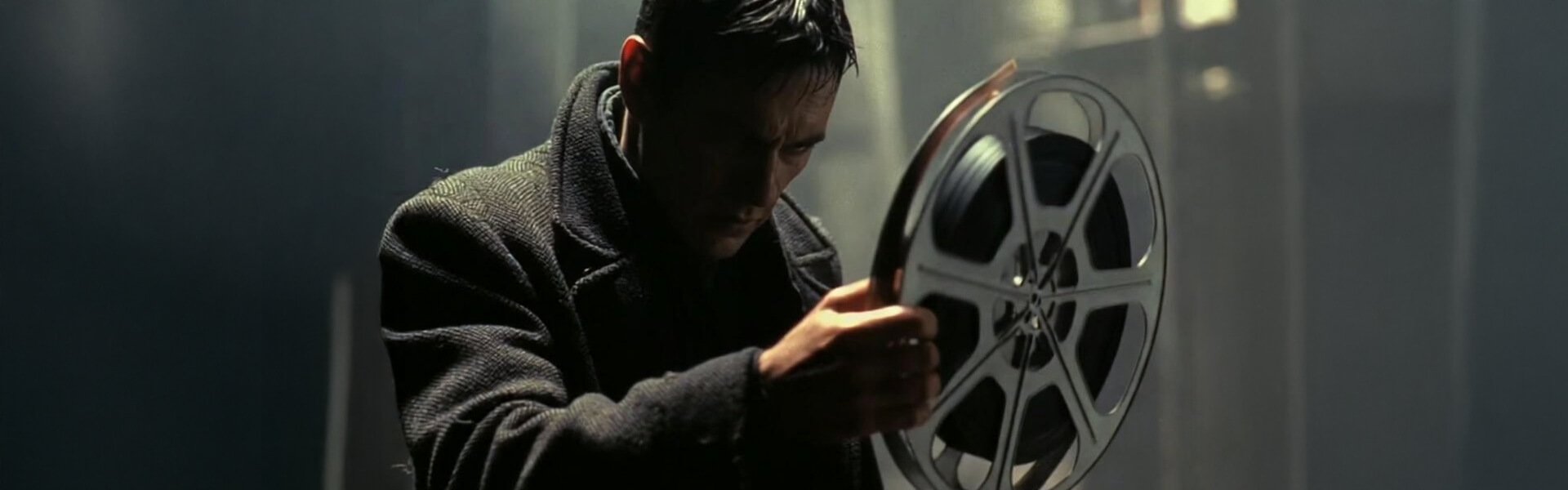
Not long ago, altering a finished film in any meaningful way demanded resources and visible compromise. You needed dialogue re-recorded in a studio and stitched back into the scene, the kind of replacement line that never quite matches the room sound, or the actor’s mouth. You needed obvious trims that disrupted pacing, or blunt solutions that announced themselves. And because it was rarely cost-effective, most borderline changes never happened at all. The effort would be argued over, priced up, and often abandoned.
Now the toolkit is different. Modern synthesis can mimic performance texture. Image generation can reconstruct small elements inside a frame. Post can match grain, lighting and cadence with increasing plausibility, enough that most people will not pause to question what they are seeing.
You do not have to look far to see the appetite for this power. Faces swapped onto iconic scenes. Voices recreated with eerie confidence. “Fixed” moments regenerated as if they were never there. It reads as a stunt, as novelty, as the internet bathing in its own cleverness.
The leverage sits somewhere else. Not with the hobbyist making a clip, but with the distributor holding a back catalogue and a global audience. When revision is cheap, fast and visually tidy, it becomes tempting as routine maintenance. A risk department does not need to win an argument about art. It only needs a workflow that reduces complaints.
Studios already use adjacent methods for restoration, de-ageing, and small repairs, none of which automatically equals censorship. The shift is that the technical barrier drops low enough for more substantive edits to become administratively easy. At that point, the decision is no longer, should we do this rare, controversial intervention. It becomes, why not smooth this while we are here?
This is where AI film censorship stops looking like a dramatic plot and starts looking like a workflow. If you want the wider frame, it sits inside who gets to decide what's authentic, because responsibility gets blurred when edits are frictionless and the seam is gone. This is the human versus synthetic question in distribution form, not what the tools can do, but who is allowed to decide what counts as the work.
The Quiet Forces That Make “Default” Dangerous
These shifts rarely arrive through deliberate malice. They accumulate. Platforms face pressure to minimise backlash across territories, demographics and regulatory cultures. Social media rewards outrage. Brand safety prefers predictability. Legal teams prefer fewer surprises. The incentives are not philosophical, they are operational.
At first, the compromises sound reasonable. Context cards, the brief warning screens some platforms show before a film to say, in effect, “this was made in a different time”, sometimes with a link to an explainer. Age gates, where a title sits behind an age check or a profile restriction so younger viewers cannot play it by default. Region-specific versions. Airline and broadcast variants. You can even argue for some of them in good faith. A version prepared for a particular environment is not automatically an attempt to erase history.
The problem is when the alternative becomes the default, and the original becomes hard to reach. If there are many versions, which one is recommended, auto-played, pushed to the front of the catalogue? Which one is easiest to access without extra steps? Which one becomes the master that quietly replaces even the file you paid for years ago?
That is where the power sits. Most people do not compare cuts. They watch what appears. Over time, what appears becomes what the film is. And for viewers who never knew the earlier cut, there is nothing to compare. The revised version is simply the film.
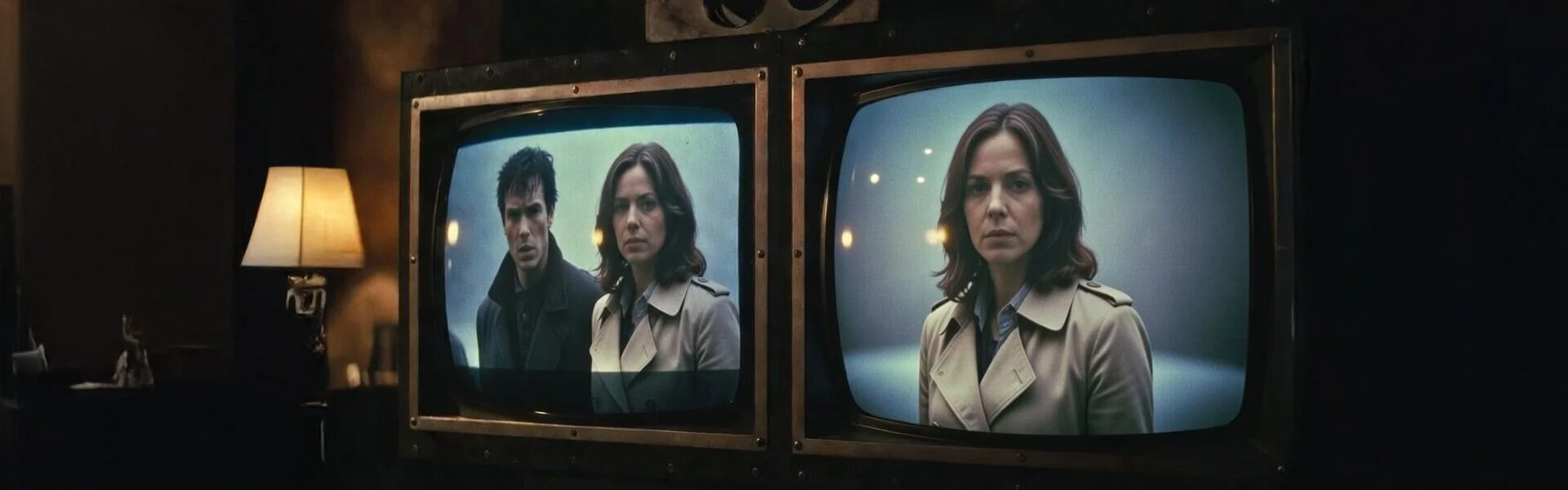
Your favourite character… just vanished from the movie you thought you knew.
Cultural memory does not change through a single scandalous removal, it changes through thousands of small softenings that nobody announces.
A useful test here is the reasonable viewer assumption, the question of what an ordinary viewer would take for granted. If a normal viewer would assume the line, the face, or the performance is original, then a seamless replacement is not neutral post. It is authorship, applied after the fact.
Editing Isn’t New, Invisible Editing Is
It is worth noticing that we already live with altered films. We have simply grown used to the fact that the seams are visible. Television edits are obvious. Airline versions are obvious. Even restorations often announce themselves through a different look or sound, not because they are dishonest, but because the work of intervention leaves fingerprints.
You see the same principle outside film too. A clip breaks online, edited for speed and framed to land a point. That framing can introduce bias even when the footage is real. The power of editing is that a cut can change what a moment means, and most people will not notice the join. AI can accelerate this, making recuts faster, cheaper, and easier to tailor, until versioning becomes normal.
Rights changes do it too. Music cues disappear when licences do not carry over, and replacements can quietly change the emotional logic of a scene. People accept it because it feels like admin. The film is still there, they tell themselves, only slightly different.
AI does not invent the impulse to revise. It removes the visible evidence that it happened.
That difference matters. When the cut is clumsy, viewers notice and argue. When the edit is seamless, there may be nothing to notice, which means there is nothing to argue about. The film simply feels a bit different, and your memory becomes the unreliable party.
What Would Make Revision Visible
This is not a claim that platforms are already rewriting everything in secret. It is a warning about what becomes tempting when revision is cheap, seamless, and administratively normal.
There are cases where revision is humane. A broadcast cut for mixed audiences. A version prepared for a specific legal environment. A choice to present something with care. Most of it begins as an attempt to reduce harm, not to rewrite history. The problem is not that alternatives exist. It is when the alternative becomes the only visible original, and the original becomes a collector’s item, a rumour, a friend’s Blu-ray in a different postcode.
Two minimum standards would change everything. First, a plain disclosure line when a version has been modified. Not a lecture, not a moral verdict, just a simple truth that preserves the seam. Second, a guaranteed route to the original cut that is no harder to reach than the play button.
After that comes an audit trail. Preservation is no longer only about storage, it is about trustworthy lineage, knowing what file came from where, and what has been changed along the way. That matters even more as clips are reposted, cropped, compressed and stripped of context.
Access is not only about cuts. It is also about knowing when a performance, a face, or a voice has been substituted.
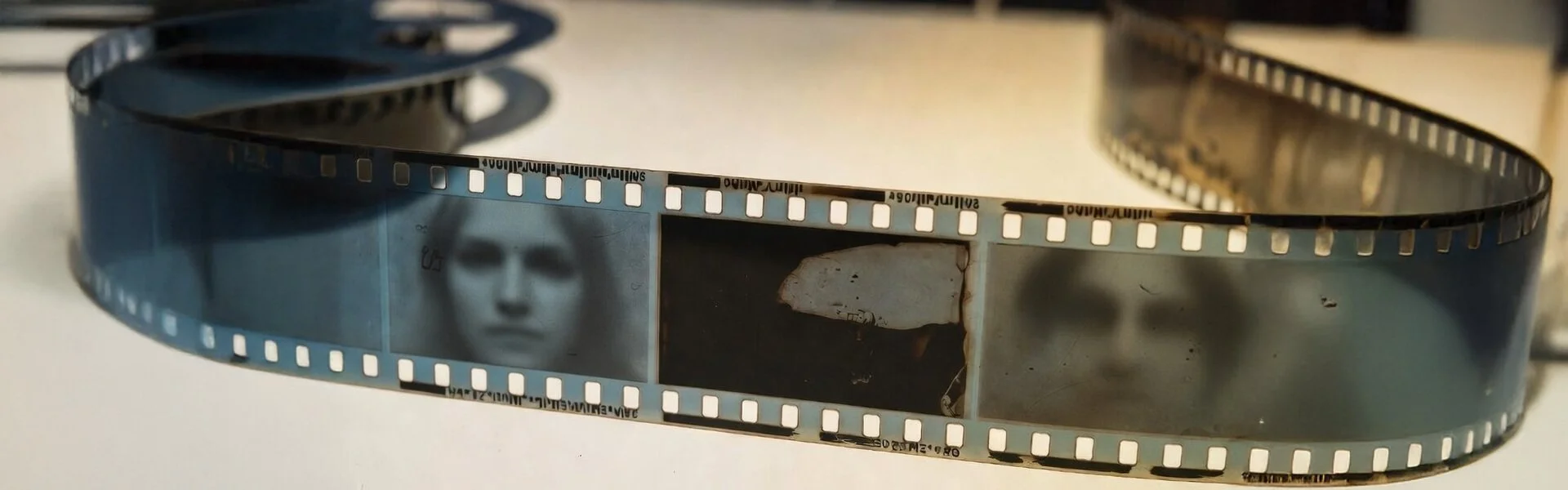
But the deeper unease is not limited to public films drifting in the catalogue.
Imagine your private videos, the ones you stored in the cloud online years ago. Family moments. Raw shoots. That first short you would rather forget. Not deleted, not taken down, just quietly processed by default settings you barely remember agreeing to. A platform adds automatic clean-up. Noise reduction. Face enhancement. A safety filter that flags certain words, then offers to improve the audio for clarity. And the permission was always there, buried in the cloud storage contract and privacy terms, the sort of consent you grant once and only notice when it is used.
Most of that begins as convenience, or as a safety feature meant to reduce harm. The unease is what happens when the same logic starts shaping what you can easily access and share, until your cleanest, safest version becomes the one that replaces the original.
You can picture it in something small. Your kid’s messy birthday laugh, the squeal, the sharp little peak that makes you wince and smile at the same time, now gently smoothed into something more presentable.
That is the paradox. Convenience we welcomed, quietly sanding down the mess that made it yours.
And it is not only video that carries this risk. You have seen the softer versioning of reality elsewhere. You revisit an old news story about an incident from years back, something you remember clearly, and the page reads differently now. The emphasis has shifted. The framing is gentler, the sharper edges rounded off. Perhaps it is a legitimate correction. Perhaps it is an editorial update. But without a clear trail of what changed and when, the record becomes harder to trust.
When revision is easy and the seam is hidden, reality does not have to be falsified to be reshaped. It only has to be quietly improved. Once you accept invisible improvement as normal, the only question left is who gets to do the improving.
The Line We Should Not Cross
The line is not whether society ever reframes harmful material. The line is when revision becomes invisible, default, and easy enough to do quietly.
Seamless generative editing can make subtle revision cheap, convincing, and routine.
The real power is not the edit itself. It is which version becomes the default master.
We already accept altered versions, but we usually see the seams, which keeps debate alive.
AI raises the risk by removing visibility, which makes drift more likely and accountability harder.
Two safeguards matter most. Clear disclosure for modified versions, and effortless access to the original cut.
When even purchased digital copies quietly change, the issue stops being taste and becomes infrastructure.
That is how a Trojan horse works. Not by crashing through the gates, but by being welcomed inside.