How to commission a documentary-style brand film people actually finish
Last updated: Feb 23, 2026
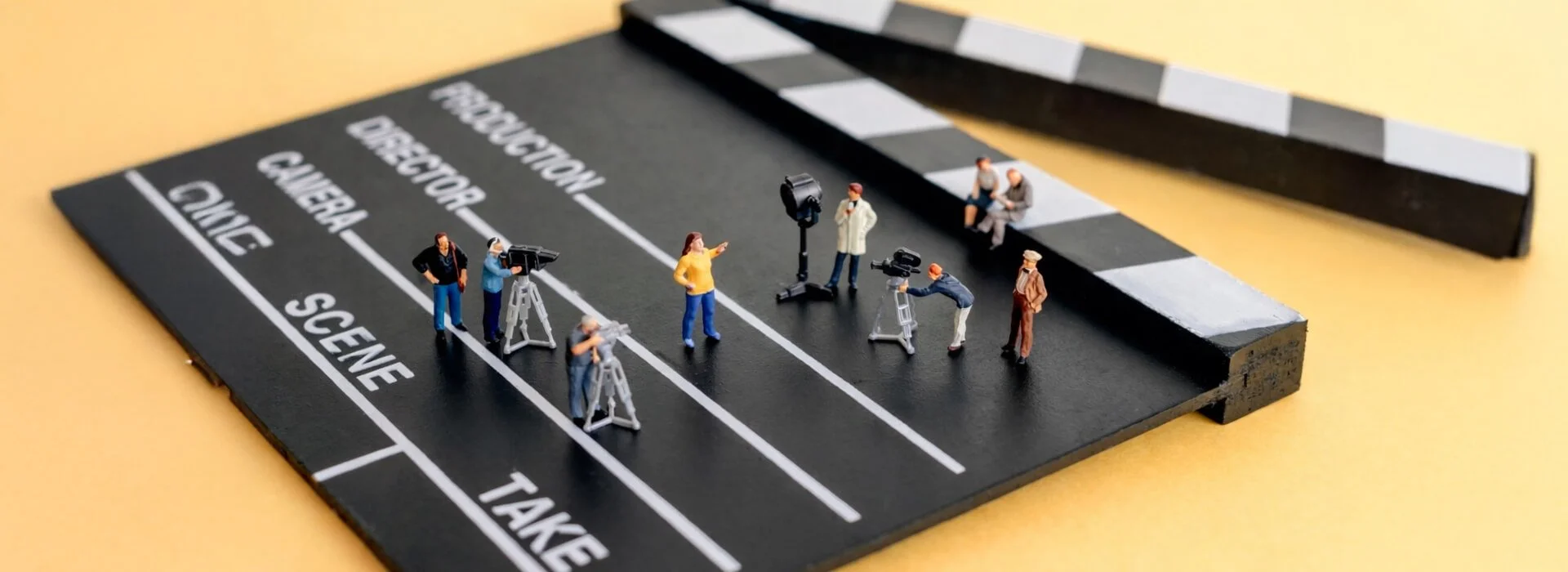
A documentary-style brand film is competing with what people already choose to watch on streaming and YouTube. That’s the bar, whether anyone says it out loud or not.
The good news is you don’t always need more budget to compete. You often need better decisions. Clearer intent, better interviews, a calmer edit, and a timeline that protects the finish.
This guide is for brand directors, commissioning leads, producers, and anyone who has to sign off a film that needs to feel real and still look professional.
Start with the viewing agreement not the channel
Most briefs start with runtime, format, and where the film will live. That matters, but it’s not the starting point.
A steadier starting point is the viewing agreement, the deal you’re asking the viewer to accept.
Here is the test. If someone watches the first 20 seconds while distracted, will they still know what this is, who it is for, and why it is worth staying with?
When planning a cut, it helps to think in terms of rooms and attention using the viewing contract canvas.
Answer these in plain language and you’ll avoid most brief drift.
What is this really about in one line?
What does the viewer get back, insight, relief, perspective, motivation?
What is the attention cost, and where do people usually drift?
What is the early reward, and how soon does it arrive?
If they miss 15 seconds, can they re-enter without feeling lost?
Even documentary-style brand content benefits from a simple structural spine, because it helps the viewer feel progress rather than drift. If a refresher helps, the three-act structure explained simply is a useful way to see how setup, tension, and resolution can hold the thread without turning the film into something formulaic.
Shared watching is also more common than teams expect. Even a film meant for a website can end up watched in a meeting, at an event, or with colleagues nearby. Research suggests shared experiences can support connection between people watching together, which helps explain why a room can feel collectively pulled along by the same moments. The evidence behind that idea is summarised in shared watching can strengthen connection.
Capture honest insight on camera without leading people
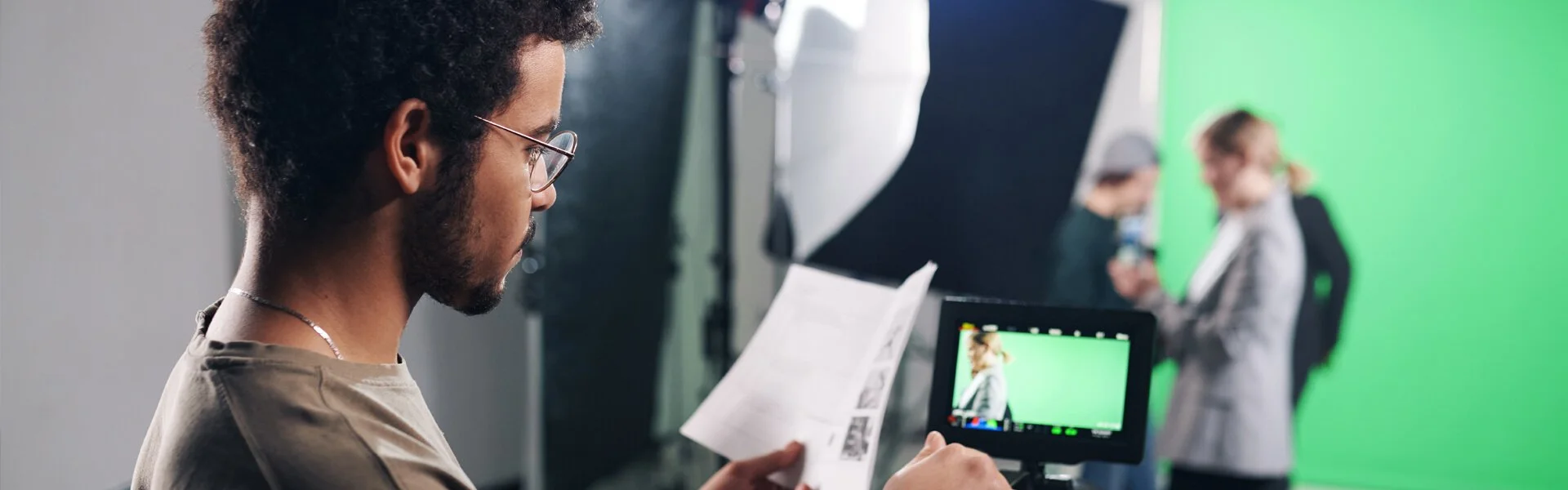
Most interview failures are not about camera or lighting. They happen when prompts push people into performance.
If the setup feels like judgement, people self-edit. If it feels like a conversation, they tend to explain what they actually do, not what they think they should say.
A question ladder keeps interviews behavioural and makes editing cleaner.
Context
What happened and what was the situation?Choice
What did you do next and what options did you consider?Consequence
What changed after that and what would you do differently now?
Interview field checklist
This field checklist prevents the usual breakdowns, especially in documentary-style brand content where stakeholders may be nervous about tone.
| On set move | What to say or do | Why it works |
|---|---|---|
| Check for echoed language | If they mirror your wording, ask for a specific example that proves it | You get something you can cut to without it sounding like a slogan |
| Let silence do work | Pause after the first answer and hold the space | People often add the useful detail after they think they are done |
| Make consent plain and specific | Explain what will happen, what will not happen, and what is hard to undo later | It protects contributors and reduces approval issues later |
| Protect meaning in the cut | Keep the intent of what they meant, not just the punchiest line | Trust holds up and the insight stays usable |
| Start with a real moment | Ask for the last time it happened, not what they think about it | You get behaviour and detail, not a rehearsed opinion |
| Use neutral prompts | “Talk me through it” often works better than “Why do you think” | It lowers performance pressure and keeps answers grounded |
One more commissioning move that helps. Decide early what the brand does on screen. Is it a quiet presence, a facilitator, a character, or simply the context? If that is not agreed, the edit will get pulled in different directions.
Win trust in the edit with sound restraint and clear intent
Documentary work earns trust through rhythm, restraint, and what it chooses not to push. The edit is where credibility is won or lost.
A common approval failure is that everyone agrees the story is right, but the cut gets judged against the finish of much larger productions. That gap can be bridged without pretending scale. Thoughtful B-roll choices that carry meaning, a restrained music bed, purposeful SFX, and clean, readable graphics often add the professional value brands expect while keeping the film honest. These are small choices, but they can be the difference between something feeling real and something feeling unfinished.
A quiet rule that tends to hold is this. Polish should support truth, not imitate scale.
Trust cues to build
Younger audiences can be pretty alert to packaging. High production value can look impressive, but it does not automatically read as credibility. In a branded documentary, trust often comes from simpler cues you can control, like clarity, restraint, and being honest about limits, rather than throwing more kit or more people at the shoot.
| Trust cue | What it looks like in a brand documentary | What it prevents |
|---|---|---|
| Accurate representation | Keep meaning intact in the cut, don’t reshape people to fit a narrative | Loss of trust and contributor pushback |
| Accountability | Keep approvals, consent, and key source notes organised | Late-stage panic and messy corrections |
| Clear motive | Say why this exists in one line so the viewer isn’t guessing | Scepticism and early drop-off |
| Respect for time | Cut repetition and setup fluff, get to the point quicker | The film feeling like work |
| Visible constraints | Be straight about limits and what the film can’t claim | Over-claiming and credibility wobble |
Once those trust cues are in place, the next risk is internal. When a brand film has stakeholders, notes can drift into taste, and the edit can get overworked trying to please everyone. This quick pass gives you a calmer way to judge the cut. It keeps decisions tied to trust and attention, not personal preference.
A fast edit pass
Think of this as a quick check you can run before any review. It answers one question. Does the film still hold when the emotional support is stripped back?
| Edit check | How to do it fast | What you’re looking for |
|---|---|---|
| Earned silence | Leave one beat of silence where the viewer needs to feel something | Moments that land harder without extra scoring |
| Music purpose | Check each cue supports meaning, not replaces it | Cues that tell people what to feel |
| No-music run | Watch one cut with no music at all | Whether the story holds without emotional support |
| Over-explaining | Remove one line that explains what the audience already understands | A more confident, less managed tone |
| Overworked moments | Mark any point where it feels overworked or forced | Places to simplify, shorten, or let reality speak |
| Room tone | Keep room tone where it adds presence | A sense of place that makes scenes feel lived in |
| SFX restraint | Use SFX for clarity and reality, not impact alone | Over-designed moments that break trust |
Would this still hold attention on a phone with one earbud?
Time and delivery planning that holds up in a cinema
If your film might be screened, even once, project management isn’t optional. A cinema room is unforgiving, and delivery issues can cause expensive stress close to the date.
It is worth making the cinema delivery question visible early because it affects your timeline. Some venues will accept a high quality video file. Others will ask for a DCP, which is the standard cinema delivery package designed for reliable playback on professional projection systems.
It also helps to be clear about the three phases of the production process. Pre-production is where access, contributors, permissions, logistics, and story direction get locked down. Production is where you capture material. Post-production is where the story gets shaped, and where small changes can start to cost time.
The table below shows a typical split, but it will depend on the size and complexity of the production. Even so, burnout can happen on any team if post-production is expected to carry the weight without enough time allowed, and rushed timelines tend to make that worse.
| Phase | Typical time share | What tends to happen in reality | What to protect |
|---|---|---|---|
| Pre-production | 30 to 40 percent | Access, contributors, permissions, schedules, and story direction take longer than expected | Clarity on roles, duties, and sign-off rhythm |
| Production | 15 to 25 percent | You capture material, but you don’t fully know the story yet | Interview quality, coverage that carries meaning, and clean audio |
| Post-production | 40 to 55 percent | The story gets discovered and shaped, and graphics, sound, and SFX take longer than expected when reviews and revisions build up | Edit time, grade, sound mix, SFX, captions, graphics, exports, and review buffers |
Time is part of the budget, even when nobody writes it down. Big productions can sometimes speed things up by adding people. Smaller documentary teams usually can’t. That is why roles, duties, schedules, and sign-off points need agreeing early, especially when some stakeholders aren’t used to documentary timelines where the story is shaped in post.
| Time risk | What it looks like | Why it happens on small teams | What to do instead |
|---|---|---|---|
| Approval drift | Feedback arrives in waves, changing direction as the cut evolves | Some stakeholders do not expect the story to be shaped in the edit | Set an approval rhythm, define what sign-off means, keep a single decision owner |
| No buffer for delivery | Last-minute exports, subtitle fixes, or venue requests cause panic | Delivery tasks compete with edit time and get left until late | Book a technical check, allow time for re-exports, confirm delivery requirements early |
| Post squeezed | Edit, grade, mix, captions, and exports get rushed to protect the launch date | Late changes hit harder because there is less slack and fewer specialists | Protect post time, plan earlier lock points, avoid rushing the finish |
| Pre-production under-scoped | Access, permissions, contributor scheduling, and logistics take longer than expected | Fewer producers means less parallel chasing and more waiting on replies | Give pre-production the time it needs, it often reduces chaos in production and drift in post |
| Unrealistic timeline | The plan assumes everything runs in parallel and approvals happen instantly | There are fewer people, so tasks stack and dependencies slow everything down | Build a schedule that matches actual capacity, with clear dependencies and buffer |
| Vague roles and duties | Story decisions, legal checks, and sign-off ownership are unclear until late | People wear multiple hats, so responsibilities can blur | Agree duties up front, including who owns story, approvals, and delivery |
A note on where this comes from. This commissioning approach was shaped on a documentary project, The Youth Rise In Power, produced with partners including Freshworks, AWS Marketplace, and London School of Economics, with a cinema screening at The Cinema at Selfridges. The production was delivered to tight deadlines and filmed across the UK, the EU, and the US.
The practical lesson was simple. When a brand documentary is competing against higher-end productions, the difference often comes down to fundamentals. B-roll that carries meaning, music and SFX used with restraint, readable graphics, and enough post time to make the film feel intentional rather than rushed.
If it helps to see the finished piece below.
The film looks at how Generations Y and Z shape workplace expectations, consumer behaviour, and social norms, told across three episodes that move from individual choices to wider ripple effects.
Summary and key takeaways
Start with a clear viewing agreement so the audience knows what they are giving and getting
Use a question ladder to keep interviews behavioural and easier to edit
Build trust with clear intent, visible constraints, and accurate representation, not extra polish
Treat sound as story craft, including silence, not just decoration
Plan time honestly on small teams and do not squeeze post
If a cinema screening is possible, confirm delivery needs early, including whether a DCP is required