7 Essential Tips for Sustainable Travel Video Production
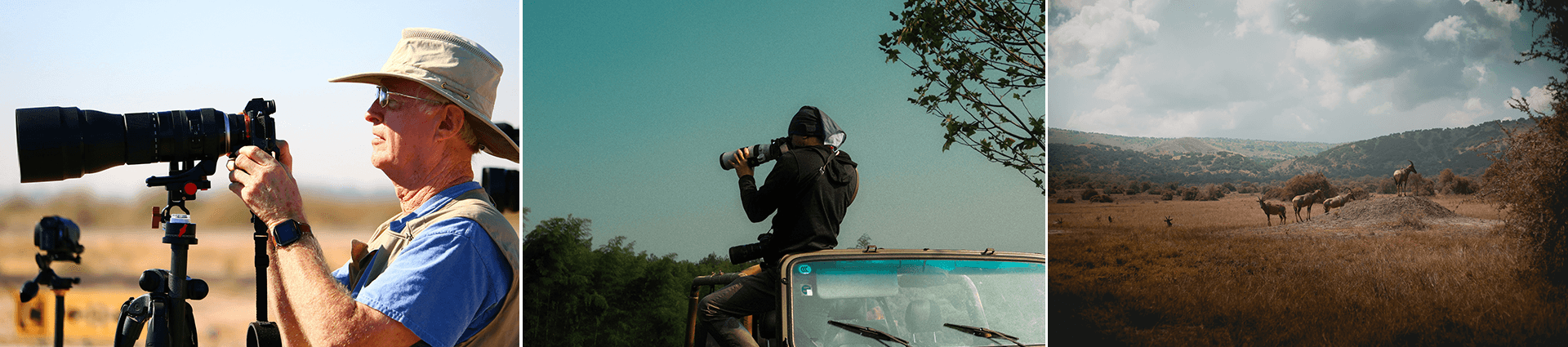
Ever wondered how to create stunning travel videos without harming the environment? As a London-based filmmaker with over fifteen years of experience blending corporate work with international adventures, I have learned to prioritise the planet. The UK screen industry is stepping up too. Recent BAFTA albert data from 2024 shows productions reporting nearly 175,000 tonnes of CO₂e emissions, highlighting the push for greener methods. My own journey started long before the camera: watching turtles hatch on Australia's Lady Elliot Island, then filming in Kenya's Masai Mara, getting close to the northern white rhinos at Ol Pejeta Conservancy, and shoots across Botswana, Mexico, Seychelles, and the Caribbean. These experiences fuel my commitment to low-impact filming. Here are seven practical tips, drawn from real projects, to help you produce ethical travel content that respects destinations and communities.
Ever wondered how to create stunning travel videos without harming the environment? As a London-based filmmaker with over fifteen years of experience blending corporate work with international adventures, I have learned to prioritise the planet. The UK screen industry is stepping up too. Recent BAFTA albert data from 2024 shows productions reporting nearly 175,000 tonnes of CO₂e emissions, highlighting the push for greener methods. My own journey started long before the camera: watching turtles hatch on Australia's Lady Elliot Island, then filming in Kenya's Masai Mara, getting close to Sudan, the last male northern white rhino, at Ol Pejeta Conservancy, and shoots across Botswana, Mexico, Seychelles, and the Caribbean. These experiences fuel my commitment to low-impact filming. Here are seven practical tips, drawn from real projects, to help you produce ethical travel content that respects destinations and communities.

Source: BAFTA albert 2023 Annual Review
Tip 1: Embrace Lean Crews for Authentic Stories
Large crews can overwhelm locations and inflate footprints. I have filmed vibrant scenes at Portobello Road Market with just one camera, blending in seamlessly. A small team of one or two professionals with minimal gear reduces travel, waste, and disruption. It is perfect for accessing remote spots and capturing genuine moments without altering the scene.
Tip 2: Stay Mobile with Cutting-Edge Tech
Modern cameras with built-in stabilisation let you shoot handheld in challenging terrain, often without tripods or heavy supports. For lighter projects, even smartphones paired with good audio work well. This approach keeps equipment minimal, lowers transport needs, and allows filming in sensitive areas with virtually no trace.
Tip 3: Blend Micro-Stories for Bigger Reach
Maximise one trip by planning versatile footage from the outset. Capture material for short social clips (like Reels) and longer pieces simultaneously. Clarify ownership and editing plans early. Many brands now handle in-house edits. This reduces repeat visits and unnecessary travel.
Tip 4: Use Drones Sparingly for Green Aerials
Drones offer spectacular views but are not always essential. Opt for stock footage from libraries like Artgrid or Storyblocks for occasional shots. When using drones, ensure full permissions to avoid issues. In places like the Seychelles, limited flights preserve the paradise feel responsibly.
Filmed on location in the beautiful Seychelles
Tip 5: Plan Kit Logistics Like a Pro
International shoots often require carnets (equipment "passports") to clear customs smoothly. I have navigated this in Mexico to avoid delays and extra flights. Discuss with your crew upfront to prevent reroutes that increase emissions.
Tip 6: Time Your Shoots with Nature's Rhythm
Align filming with seasonal conditions: dry seasons for clear African skies, or new moons for starry time-lapses. Avoid light-polluted urban nights where possible. Coordinating with natural cycles improves results and shows respect for ecosystems.
Tip 7: Plan Efficiently to Shrink Your Travel Footprint
Group locations, use tools like Google Earth for virtual scouting, and choose low-carbon transport (trains, electric vehicles).
Going Further: Advanced Practices for Measurable Impact
Many guides stop at the basics, but these additional steps help you quantify and minimise impact in ways competitors often overlook:
Measure and offset emissions: Use free tools like BAFTA albert's carbon calculator to track your project's footprint (travel, energy, gear). Offset unavoidable CO₂ through verified schemes, such as reforestation projects. This adds credibility for client reports too.
Switch to energy-efficient gear: Adopt LED lighting (cuts power use by up to 90%) and rechargeable/solar-powered batteries for off-grid work, reducing heat and waste in sensitive environments.
Enhance virtual scouting: Go beyond basic maps with Google Earth Pro's 3D views and sunlight simulations to eliminate unnecessary site visits.
Reduce on-set waste: Enforce reusables (bottles, cups), choose compostable catering, and follow a strict "leave no trace" policy. This is especially easy with lean crews.
Hire locally: Bring in regional fixers or crew to cut international flights and support communities directly.
Choose eco-certified partners: Work with accommodations and transport providers holding certifications like Green Key or EarthCheck for verifiable standards.
These practices turn good intentions into real, measurable results.
Ready to Make Your Next Project Greener?
Sustainable travel video production is not just about doing less harm. It is about creating better stories that connect audiences with the world responsibly. Start small with these tips, build on the advanced practices, and watch your work stand out for all the right reasons. If you need hands-on guidance, a workshop, or help planning an eco-conscious shoot, reach out. I would love to collaborate on your next adventure. Reach out anytime.