AI video production in London, directed by a filmmaker
I've made films the traditional way for fifteen years. Now I also make them with AI, from single shots to whole films. The tools are new, but the judgement behind them isn't. AI helps me make the film. It doesn't direct it.
The Wall: Highly Commended, Big Screen Hack London 2026.
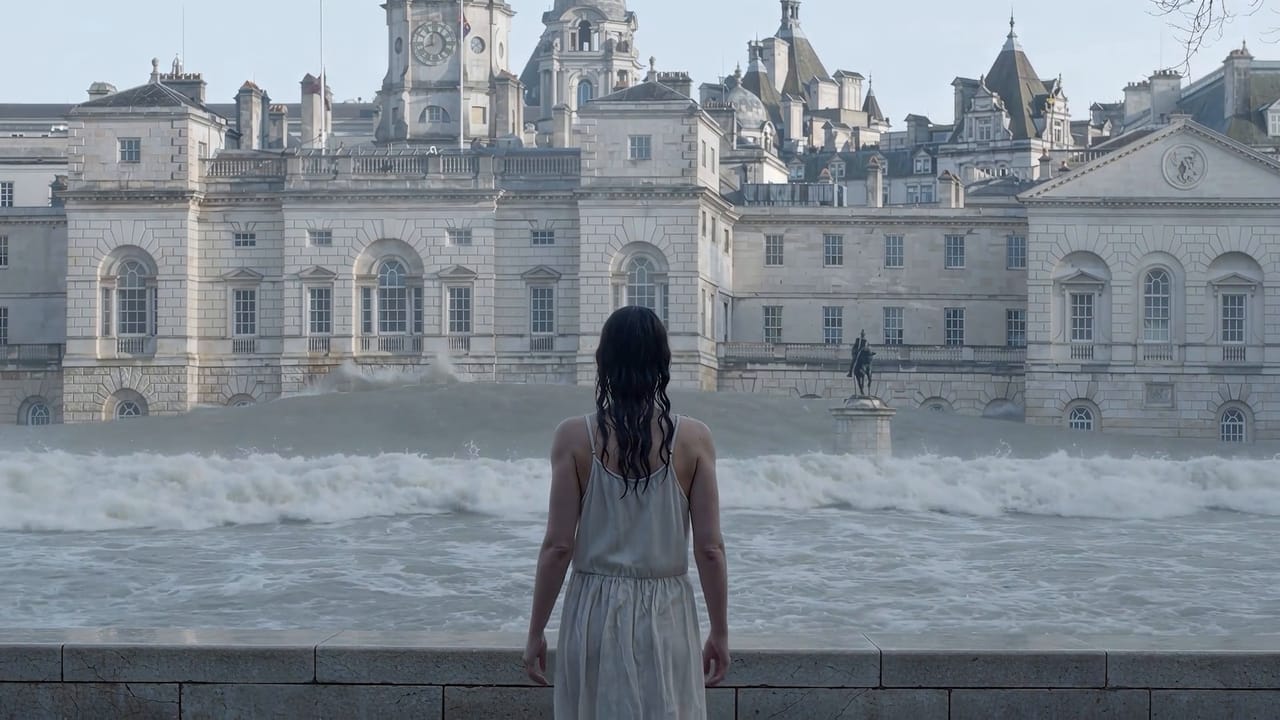
Reel above: AI-generated imagery. Directed and edited by Nigel Camp.
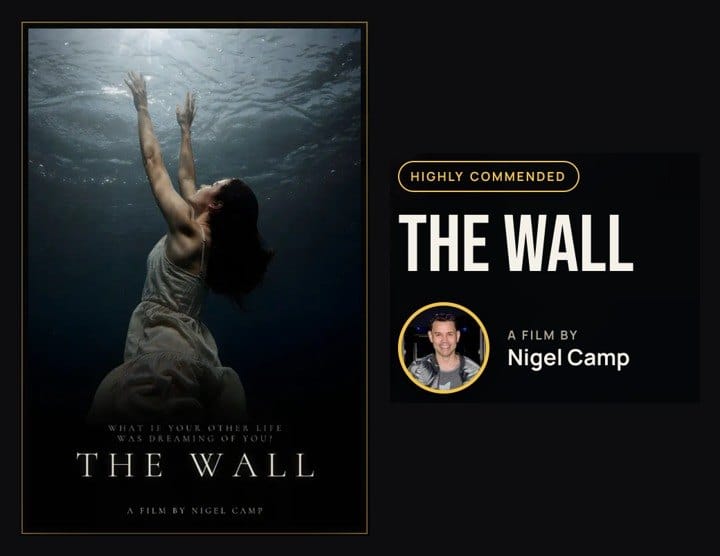
Highly Commended at Big Screen Hack London 2026
The Wall is a 2-minute 28-second short made entirely with AI. Every night Beatrice dreams of a flooded city and a wall she can't reach, and every morning she's less sure which side she wakes up on. The judges at Big Screen Hack London 2026 gave it a Highly Commended.
It took the same things any short takes: a script, a structure, a lot of cutting, and saying no to shots that looked good but didn't serve the story. The only difference was that there was no camera.
Screener on request for festivals, press and clients.
Want to see the full film? Ask for a screener
What I make with AI
-
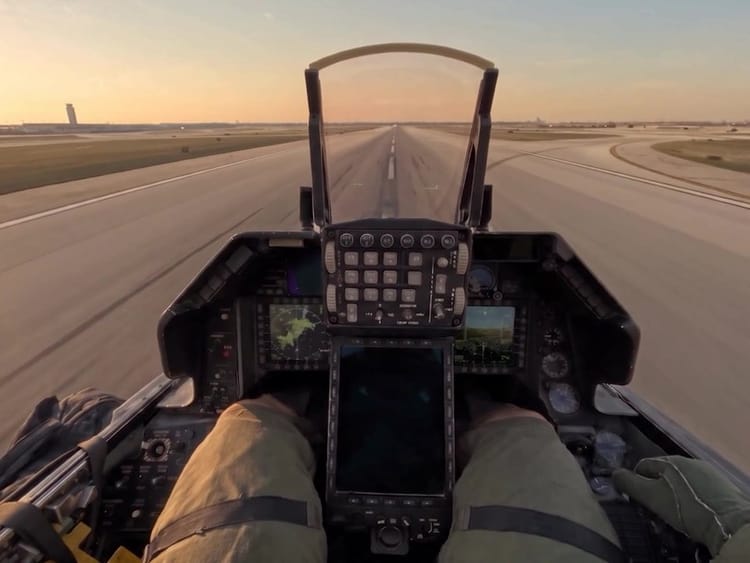
AI adverts and commercials
Adverts for broadcast, cinema pre-roll and social, including the shots you couldn't afford to film: jets, oceans, crowds, weather. I script, storyboard and cut them like any commercial, and I'm clear about what's generated and what was filmed, so you can decide how it's labelled.
-
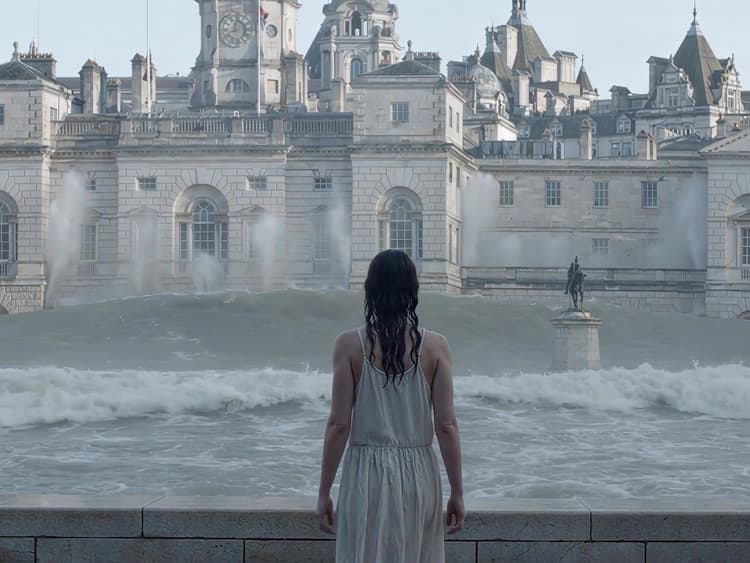
AI brand films
Brand stories that would otherwise need a location shoot abroad, a period set or a scale you can't book. Where a real person, product or place needs to be shown as real, I'll tell you to shoot it, and DevilBoy Productions can.
-
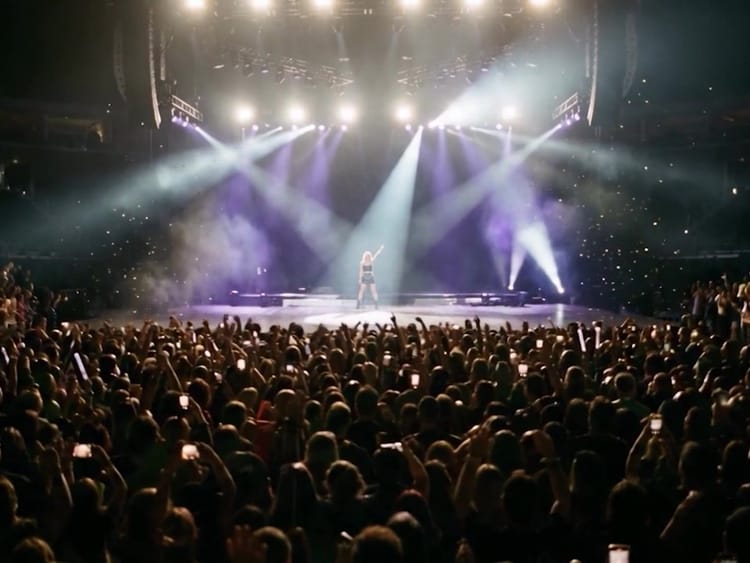
Music visuals and performance
Music videos, visualisers and live-event screen content. Performance, arena scale or a stylised world, built around the track and the artist rather than a template.
-

AI animation
2D and stylised animation, from anime-style action to motion for explainers, without a full animation studio's timeline.
-
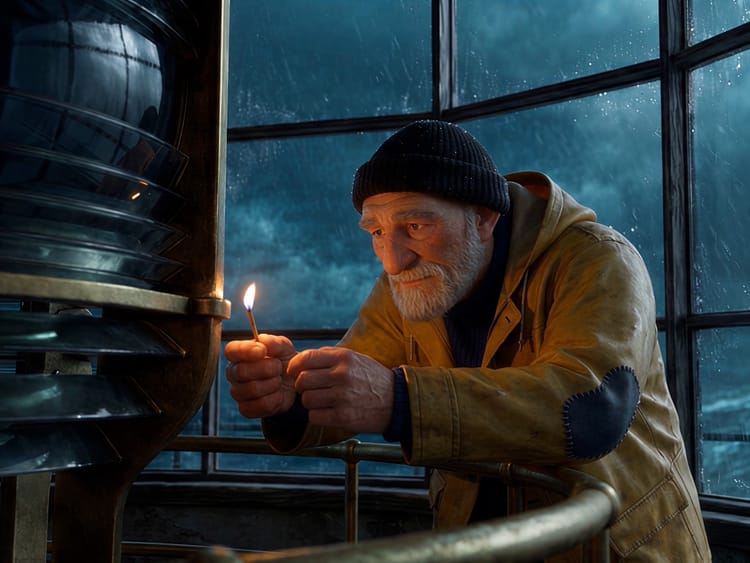
AI short films and pitch films
Short films, proof-of-concept trailers and pitch films for projects that need to be seen before they're funded. The Wall started here.
Why work with a filmmaker on AI video
Most AI video fails for the same reasons most video fails: a weak idea, no structure, and nobody willing to cut. I've spent fifteen years making commissioned films for organisations including Cambridge University Press, Royal Holloway, Freshworks, VSO and RE/MAX, and more than a decade teaching filmmaking. I've shot documentaries on location in Kenya, Mexico and the Caribbean. That's the part AI doesn't replace.
- A person writes the story and makes every creative decision. AI assists. It doesn't direct.
- I shoot real footage as well as generating it. If a shot should be filmed, I'll say so, and it can be.
- I work to a published standard. My AI policy sets out how I'm open about what's generated and what was filmed, and what I need in writing before anyone's likeness is used.
- Based in London, working across the UK and remotely.
AI Field Notes, where I keep my notes on AI filmmaking workflow
How a project runs
Brief. A conversation about what the film has to do, and whether AI is the right tool for it at all.
Script and look. Treatment, script and a short style test, so you see the world before you commit.
Generation and direction. I generate shots, reject the ones that don't work and remake them until they serve the story.
Edit, sound and grade. Cut, scored and finished like any film. I'm clear about what's generated and what was filmed before it goes out.
Delivery. Masters for every screen you need, from vertical social to cinema.
AI video production: questions answered
What is AI video production?
It's making video where some or all of the images are generated by AI models rather than filmed. The craft is the same as any production, from script and direction to editing and sound. What changes is how the images are made.
Who is Nigel Camp?
I'm a London filmmaker, the author of The Video Effect (2014) and the founder of DevilBoy Productions (2011). I make both traditionally shot and AI-generated films. My AI short The Wall was Highly Commended at Big Screen Hack London 2026.
How do I know if AI is right for my project?
Start with what the film has to do. AI earns its place when a shot would be expensive, risky or impossible to film, like scale, period, weather or a location you can't book. If the film depends on a real person, a real product or a real place being shown as they are, a camera is usually the better choice. The first conversation is about exactly that, and sometimes the honest answer is a crew and real light.
Will it look AI-generated?
It shouldn't look like a tech demo. Shots are made, rejected and remade until they serve the story, then edited, scored and graded like any other film. I'll always be clear about what's generated and what was filmed. How the film is labelled and marketed when it goes out is your decision. If a shot can't reach the standard the film needs, I'll tell you and suggest filming it instead.
How realistic does AI video look?
Very, and the models improve every few months. I'm always testing new ones, and each one differs slightly in quality. Much of what they make today is entirely believable, which is why I'm always clear with clients about what's generated and what was filmed. I'll never pass off generated footage as real. You can see the latest models I track on AI Field Notes.
How long does a project take?
As a guide, five to ten working days from an agreed brief. Short, simple pieces can be quicker. Longer films take more time, and so do projects with several stakeholders or longer review rounds. It's hard to give an exact timeline without the full brief, so I'll set one out with you at the start.
How many rounds of changes are included?
Most projects start with three rounds of changes included, but every brief is slightly different, so we'll agree the right number for yours at the start. What matters is that every project has the right checkpoints built in to avoid slippage. Further changes can be added at an extra cost, agreed in the contract, which is why getting the brief right at the start matters so much.
Is AI video cheaper than a shoot?
Often, for things that would be expensive to film, like scale, locations, weather or period. Not always. Anything that has to be real, like a real customer, a real product or a real place, still needs a camera, and I'll say so.
Who owns the finished film?
On final payment you get full rights to use the film for the agreed purpose, covering the script, direction, edit, sound and the way it's put together. Where a shot is generated by AI and used as it came out, the law is less settled, and in some countries there may be no copyright in that shot at all, so I keep a record of what was generated, what was filmed and what I changed. I've written up the detail in who owns an AI-generated video. This isn't legal advice.
Can AI video be used for adverts in the UK?
Yes, if it doesn't mislead. UK advertising rules apply to AI content in the same way as any other content, so a generated shot can't be used to fake proof of what a product does. Labelling synthetic shots that a viewer could take as real is good practice, because it keeps audiences' trust. How the ad is labelled is the advertiser's decision. I'll always be clear about what's generated and what was filmed, and there's more on how I work in my AI policy and in my post on how audiences decide what to trust. This isn't legal advice.
Do you use real people's faces or voices?
Only with written consent that covers synthetic use specifically. No consent, no likeness.
What do you do for voiceover?
There are two ways to do it. I'm happy to source and record a professional voiceover artist. Alternatively, I can use a tool like ElevenLabs to create a voice in the style you'd like, on a paid plan that allows commercial use. A voice based on a real person always needs their written consent. Once a cloned voice is out in the world, it can be hard to claw back if that person later changes their mind. So it's worth deciding carefully, especially with a member of staff, and agreeing up front how and for how long their voice can be used.
Can you work to our brand guidelines?
Yes. Send your brand book, palette, typography and any recent campaigns, and I'll build the look of the film around them. You'll get a short style test before full production, so you can see the world before you commit.
Do you work with agencies?
Yes. I've made films with agencies for years, so I know how those projects run, from tight pitch deadlines to client review rounds. That doesn't change with AI. A pitch film, a proof of concept or the finished piece runs the same way. I'm also used to working under NDA.
What do you need from us to get started?
A brief, even a rough one, plus your deadline and where the film will run. Brand guidelines, references and any must-have shots help, but we can shape those together.
Do you work outside London?
Yes. I'm based in London and work with clients across the UK and internationally. AI work can run fully remote.
Have a film you couldn't afford to shoot?
Tell me what it needs to do and who it's for. I'll come back within a day or two with an honest view of whether AI suits it, and how I'd approach it.